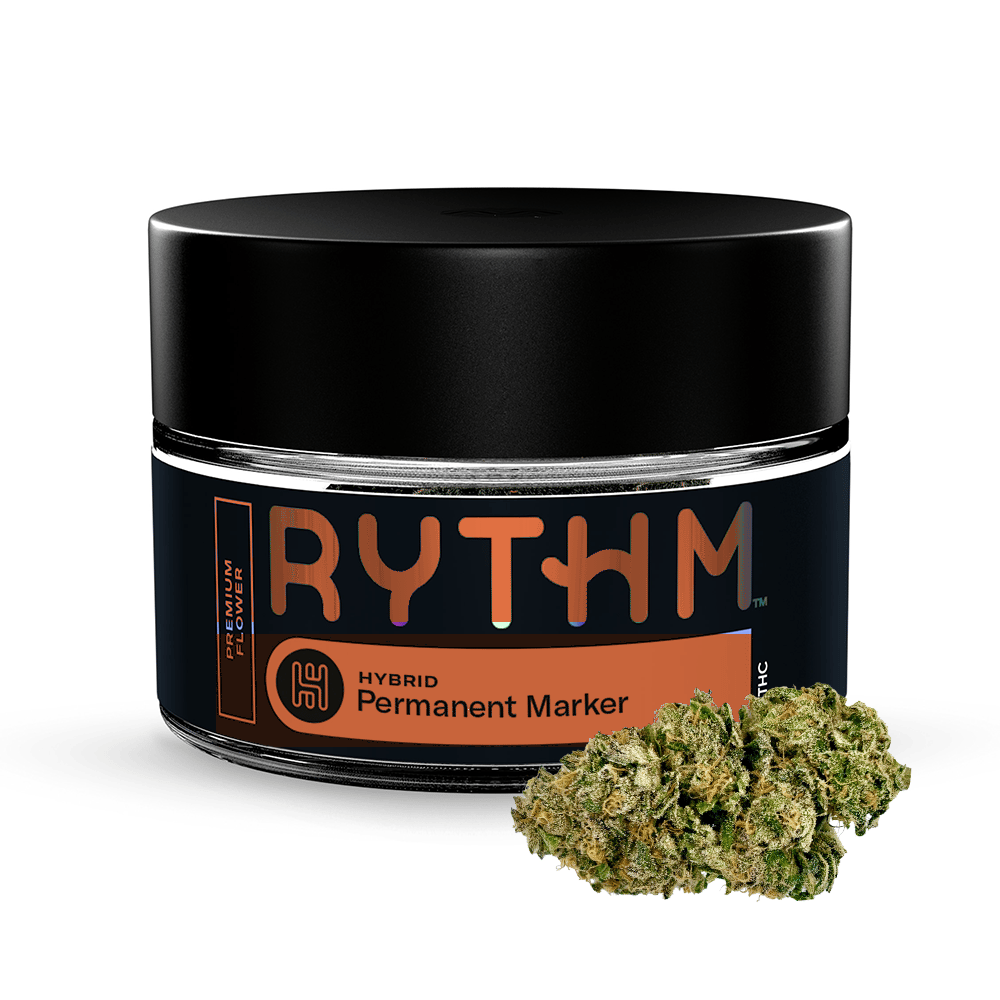
Indica vs. Sativa vs. Hybrid Strains
What is the difference?
In the world of cannabis, "Indica" and "Sativa" often refer to Indica-dominant and Sativa-dominant hybrid strains. It's important to understand that the effects of cannabis aren't solely based on its Indica or Sativa classification. Instead, they result from a combination of the plant's compound profile, including cannabinoids and terpenes, and individual human responses. Generally, Sativas are associated with uplifting, energetic effects that can enhance creativity and social interaction, while Indicas are known for their calming, relaxing properties, often used for stress relief and sleep. Hybrids offer a blend of both, combining traits from Indica and Sativa strains to provide a balanced experience tailored to various needs and preferences.
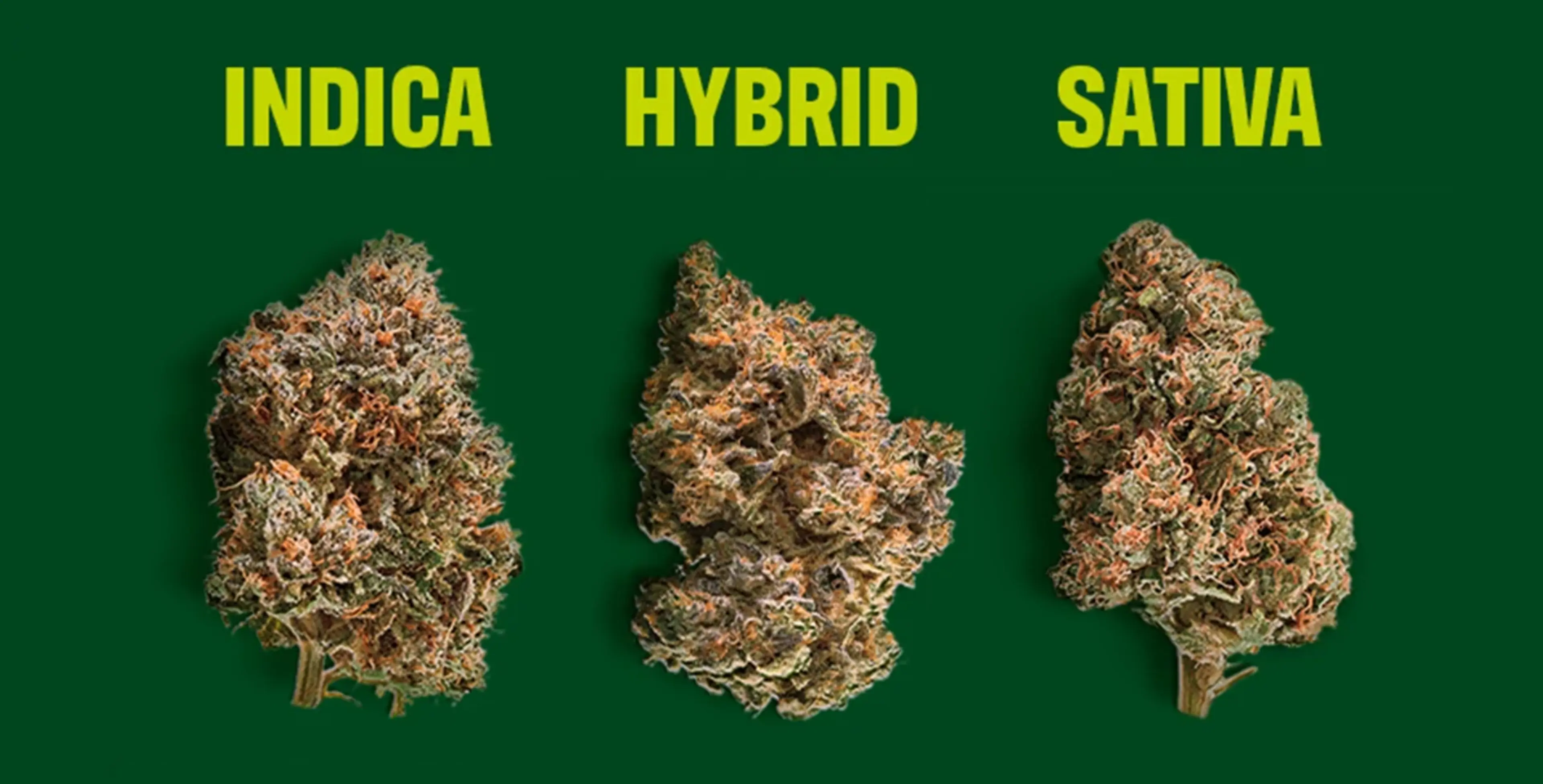
When you're exploring cannabis options, whether online or in a dispensary, terms like "Sativa," "Indica," and "Hybrid" may have caught your attention. These are common strain classifications. For instance, at Smoking Suppliers, our menu allows you to filter products based on these categories.
Whether you're new to the world of cannabis or a seasoned user, understanding the distinctions between Indica, Sativa, and Hybrid strains is crucial. Unfortunately, these terms can sometimes be misinterpreted or misapplied within the cannabis community. Our goal is to ensure you have a clear grasp of their meanings, helping you make informed choices from the array of products at your local dispensary. And if you ever feel unsure, our knowledgeable staff is always on hand to guide you in selecting the right strain – be it Sativa, Indica, or Hybrid.
With no shortage of cannabis varieties to choose from, it’s common to have questions about which strains are right for you. The good news: with a little strain schooling, a few pro tips from our RISE patient care specialists and some experimentation, you’ll soon be on the path to finding something you love.
When you visit a local dispensary, you’ll probably notice that cannabis strains are typically grouped into three categories:
Sativa
Indica
Hybrid
So, you may be wondering: what are the key differences between indica and sativa? What about a hybrid? And what does this all mean for you?
You've probably also come across varying viewpoints on the impacts of Indica versus Sativa. In this guide, we'll sift through the facts and common misconceptions about these strains. By exploring the realities of Sativa vs. Indica effects, we aim to help you pinpoint your ideal strain using an easy-to-follow chart.

What are indica, sativa and hybrid strains?
Let’s start with the basics: what do “sativa,” “indica,” and “hybrid” mean?
Botanists use these terms to describe different plants from the cannabis family. Since the 18th century, science has distinguished two cannabis species: Cannabis Indica and Cannabis Sativa.
Due to widespread crossbreeding over the past 40 years, there are no longer any genetically pure sativa or indica strains. Most of the strains on the market are hybrid.
Today, by “sativa” people often mean sativa-dominant hybrid strains, “indica” mostly refers to indica-dominant strains, and “Hybrids” are strains that have relatively balanced mixtures of both.
What is indica?
Indica plants are shorter and denser than sativa. They have broader leaves, and their colors go from dark green to purple.
In the 18th Century, Europeans only knew sativa. When Jean-Baptiste Lamarck published his description of a “new” species from India, which looked slightly different, he simply baptized it as “Cannabis Indica,” which means cannabis from India.
Indica Effects
“Indica’s effects are typically associated with relaxation and a “body high.” However, this stereotype does not necessarily apply to all Indica strains. “
People who use indica often say the most common effects include:
Relaxation
Body high
Many people feel that indica-dominant strains can be very relaxing and soothing, and many say they prefer to use indica flower before bedtime. These effects can vary not only from strain to strain but also from person to person. It’s possible that the same strain may have a different effect for different people.
Indica Basics
Origin: India, Nepal, Pakistan, Afghanistan, Turkey. It was called indica simply because the first European botanist to classify it received a plant from India. The original plant is believed to come from Afghanistan.
Plant characteristics: Short and bushy, with broad, dark green leaves.
Associated High Type: Body high

Popular Indica-dominant Strains
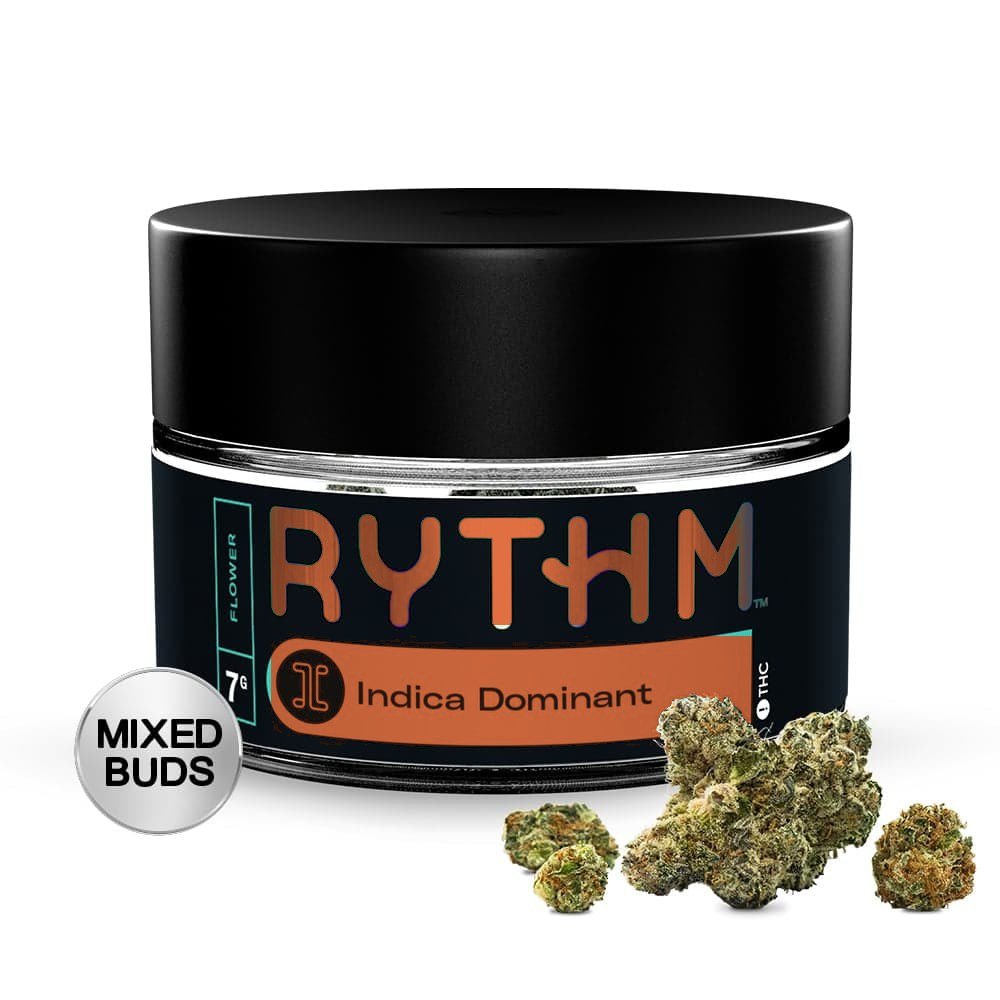
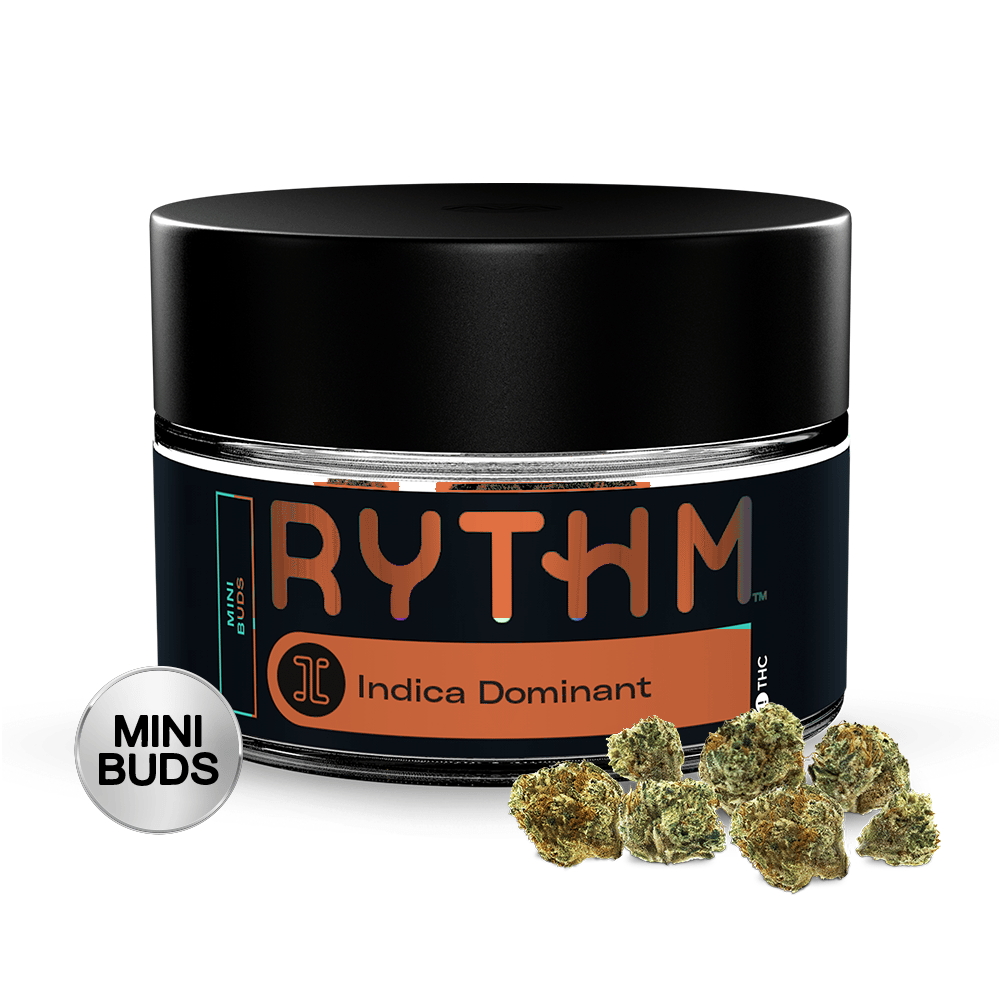
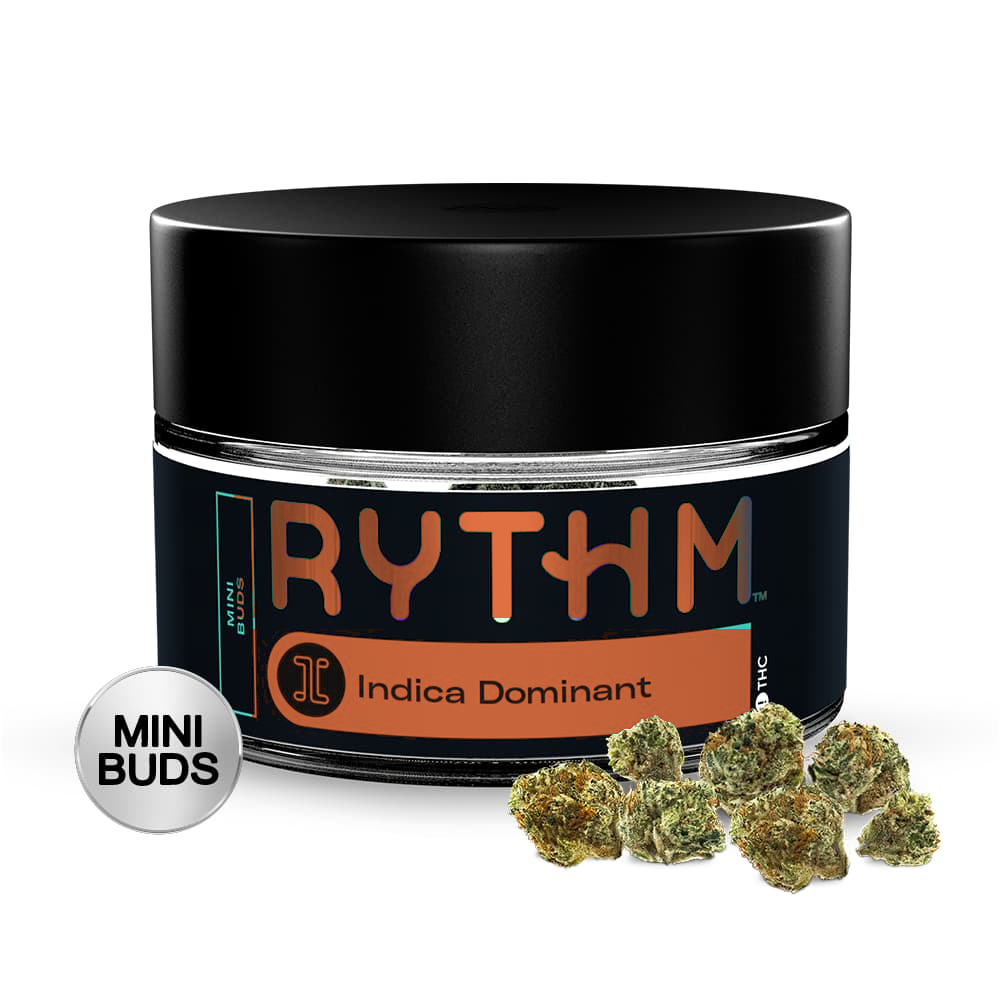
RYTHM Indicas

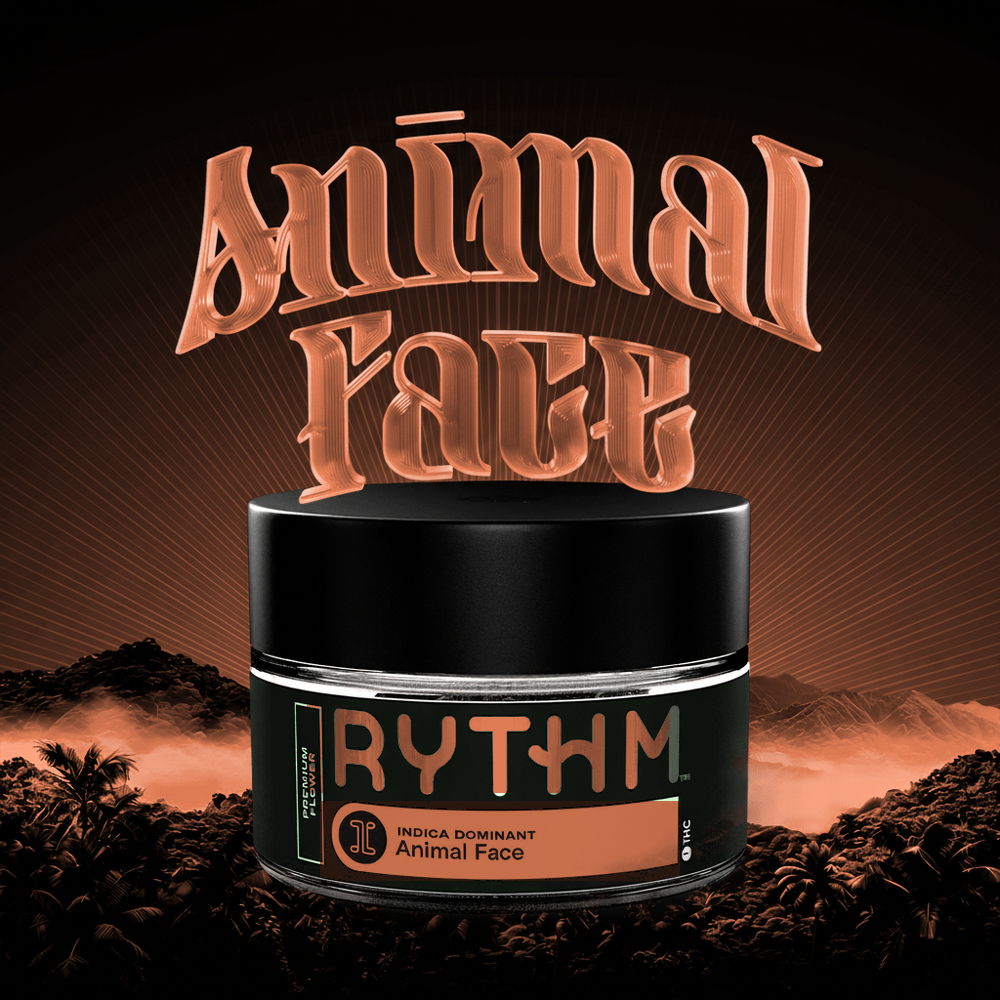
Animal Face
Strain Description: Animal Face is an indica-dominant strain that delights with a unique blend of citrusy and nutty flavors, accented by earthy pine undertones. Perfect for unwinding after a long day, this strain helps promote a tranquil state of mind.
Top Terpenes: Myrcene, Caryophyllene, and Limonene create a harmonious blend of herbal and citrus notes, enhancing the strain's relaxing qualities.
Cannabinoids: With THCa levels ranging from 26-30%, Animal Face offers a potent yet calming experience.
Taste + Aroma: The flavor profile is a delightful mix of earthy and sweet, with hints of diesel, nut, and herbal notes for a unique sensory experience.
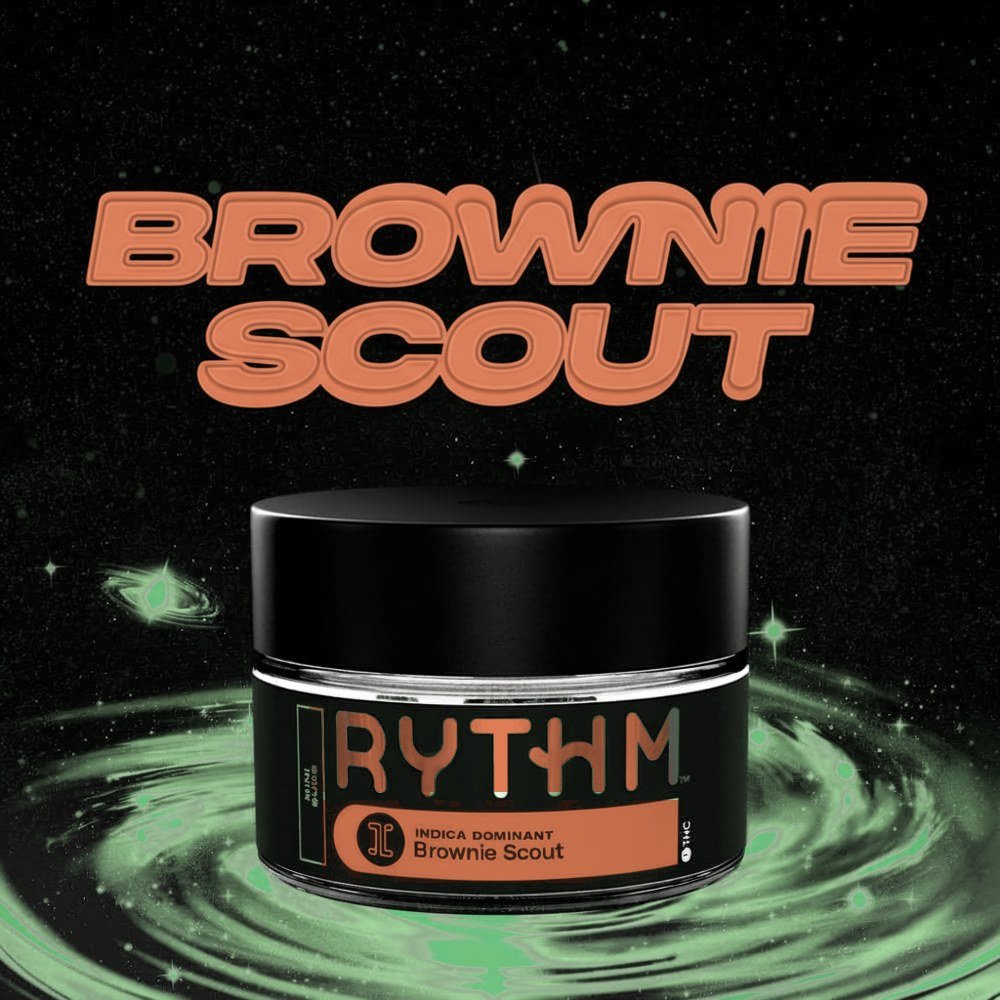
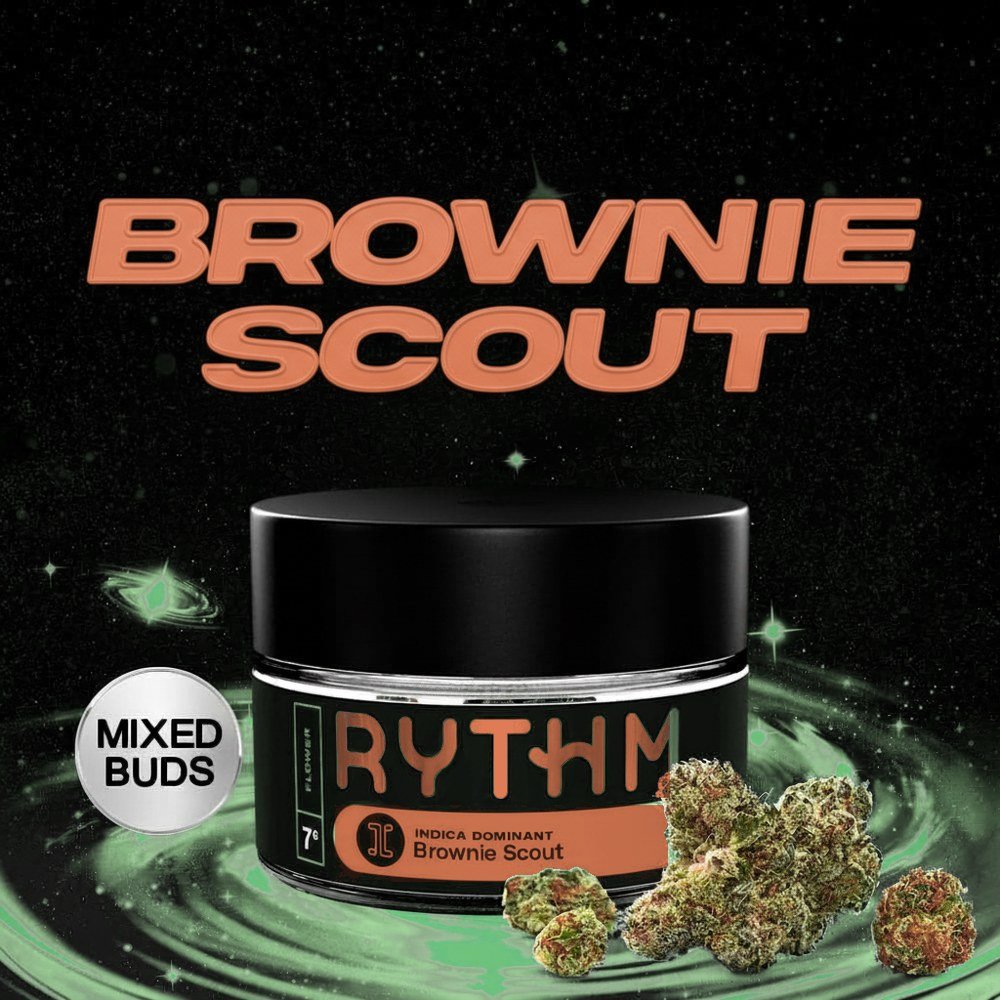
Brownie Scout
Strain Description: Brownie Scout is an indica known for its rich, chocolatey flavor and profound relaxation effects. Ideal for winding down, this strain provides a serene and tranquil end to the day.
Top Terpenes: Limonene, Myrcene, and Caryophyllene contribute to its complex aroma, with spicy and sweet notes enhancing the relaxing effects.
Cannabinoids: Featuring a high THCa content of 26-30%, Brownie Scout delivers a robust and satisfying experience.
Taste + Aroma: This strain boasts a distinctive blend of spice and sweet chocolate, complemented by earthy undertones and hints of diesel.
Headcracker
Strain Description: Headcracker is an indica-dominant strain that offers a complex aroma of herbal, earthy, and diesel notes with a touch of citrus. It's ideal for those looking to promote relaxation and a sense of well-being.
Top Terpenes: Alpha-Pinene, Beta-Caryophyllene, and Beta-Myrcene create a soothing aromatic profile, enhancing the strain's calming presence.
Cannabinoids: With THCa levels at 31.27%, Headcracker provides a deeply satisfying and immersive experience.
Taste + Aroma: Enjoy a rich blend of herbal, earthy, diesel, and citrus notes for a multi-layered taste experience.
Black Afghan
Strain Description: Black Afghan is a classic indica that combines spicy and sweet flavors to create a serene experience. Its vibrant purple leaves and fiery orange hairs invite relaxation and enjoyment of its soothing aroma.
Top Terpenes: Myrcene, Pinene, and Ocimene deliver a peppery and sweet aroma, enhancing the strain's calming atmosphere.
Cannabinoids: With THCa levels ranging from 26-30%, Black Afghan offers a gentle and enjoyable experience.
Taste + Aroma: The flavor profile features a unique mix of pepper and spice, with sweet chocolate and nut undertones for a comforting sensory experience.
Velcroz
Strain Description: Velcroz is a hybrid with strong indica influences, renowned for its sticky buds and sweet, gassy aroma. This strain is perfect for enhancing creativity and enjoying a full-body relaxation.
Top Terpenes: Limonene, Myrcene, and Caryophyllene deliver a sweet and piney fragrance that complements the strain's uplifting and relaxing effects.
Cannabinoids: With a THCa concentration of 50.23%, Velcroz offers a powerful yet mellow experience.
Taste + Aroma: The classic sweet, gassy, and piney profile creates a timeless aroma and flavor that lingers pleasantly.
Some other classics you’ve probably heard of are:
Cherished for its sweet and spicy aroma, Northern Lights is a legendary indica strain that offers a blissful experience marked by deep relaxation and a sense of tranquility. It's a perfect choice for unwinding and finding peace after a long day.
Known for its rich, earthy flavors with hints of coffee and chocolate, Bubba Kush delivers a calming and comforting body high. This classic indica is ideal for those looking to unwind and enjoy a peaceful evening.
Famous for its fresh berry aroma and sweet flavors, Blueberry provides a relaxing experience that soothes the senses and promotes overall well-being. This renowned indica strain is a favorite for those seeking a gentle escape from stress.
Recognized for its grape and berry flavors, Granddaddy Purple offers a soothing experience that helps ease tension and encourages relaxation. This iconic indica is perfect for anyone looking to melt away stress and enjoy a serene state of mind.
With its sweet, earthy aroma and powerful effects, Girl Scout Cookies offers a euphoric high that balances relaxation and creativity. This beloved indica-dominant hybrid is ideal for sparking inspiration while providing a calming influence.
What is Sativa?

Sativa plants are lanky and tall, with thin, light green leaves. They originate from regions close to the equator like Central and South Americas and Southeast Asia. Many people tend to consume sativa flower when they want to be alert and clear-headed.
Sativa Effects
Sativa strains are often associated with stimulating and mood-improving effects. Sometimes described as energizing and uplifting, sativa-dominant cannabis strains may boost focus and concentration. We can’t vouch for ALL Sativas but here’s a guide on strains that are known to be energizing.
People who use sativa say the most common effects include:
Cerebral high
Sativa Basics
Origin: South and Central America, Africa, Southeast Asia
Plant characteristics: Tall and slim with thin leaves.
High: Cerebral High

Popular Sativa-dominant Strains
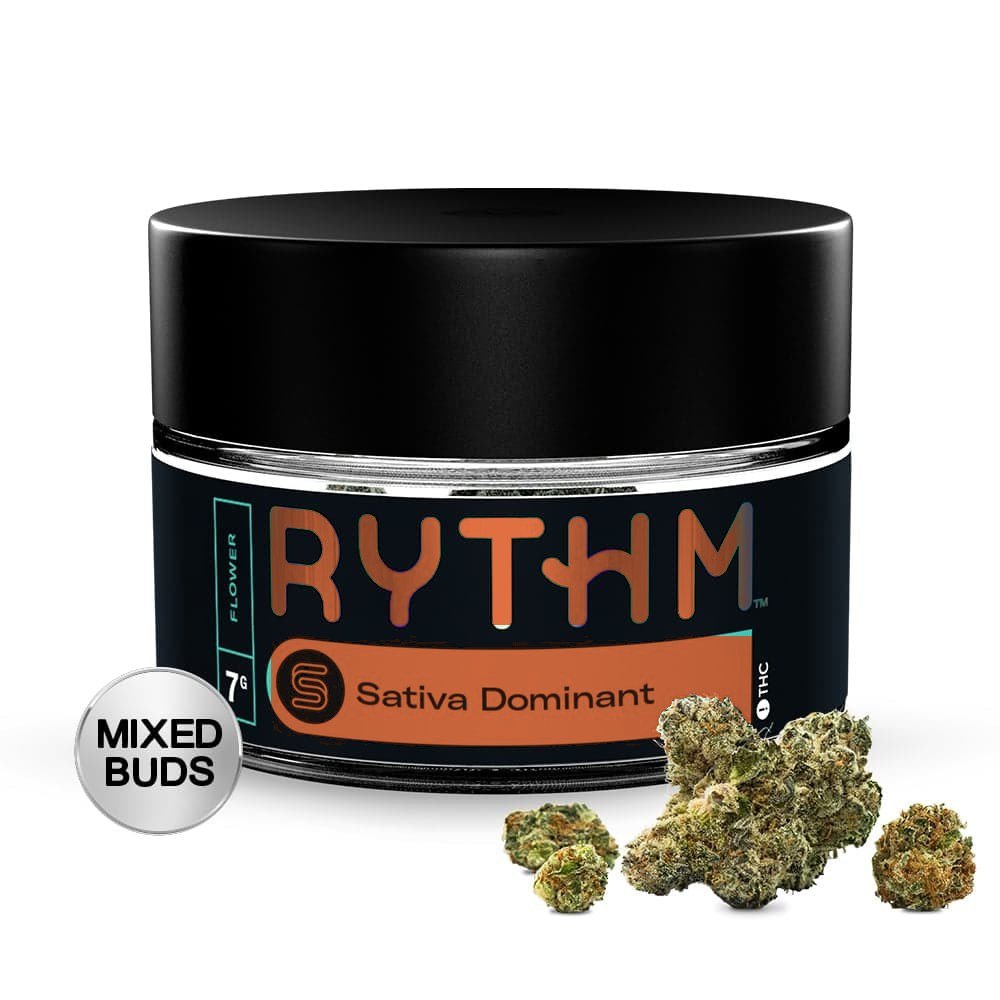
RYTHM Sativas
Jack Herer
Strain Description: Jack Herer is a legendary sativa-dominant strain celebrated for its mind-elevating effects and sweet-tart lemon-berry aroma. This classic strain offers an invigorating experience, perfect for sparking creativity and elevating the mind.
Top Terpenes: Caryophyllene, Myrcene, and Pinene contribute to its aromatic complexity and uplifting qualities.
Cannabinoids: With THCa levels between 20-24%, Jack Herer provides a balanced and enlightening experience.
Taste + Aroma: A delightful mix of sweet citrus, pine, earthy, and spicy notes creates a refreshing and vibrant flavor profile.
Durban Z
Strain Description: Durban Z is an energizing sativa-dominant strain that features a strong lemon profile layered with sweet-tart fruitiness. It is known for its immediate, cerebral effects that promote focus and euphoria, making it a go-to for productive activities.
Top Terpenes: Ocimene, Limonene, and Myrcene create a bright and lively aroma that complements its uplifting effects.
Cannabinoids: With THCa levels ranging from 23-27%, Durban Z offers a potent and exhilarating experience.
Taste + Aroma: This strain combines citrus, sweet fruit, and sour notes for a refreshing and invigorating flavor.
L'Orange
Strain Description: L'Orange is a vibrant sativa-dominant hybrid that blends sweet earthiness with strong orange-slice overtones. Known for its uplifting and focused vibes, this strain is perfect for tackling your to-do list with enthusiasm and clarity.
Top Terpenes: Limonene, Myrcene, and Caryophyllene enhance its citrus-forward aroma and energizing effects.
Cannabinoids: Featuring THCa levels of 25-29%, L'Orange delivers a bright and cheerful experience.
Taste + Aroma: The flavor profile is a sweet and tangy blend of citrus, herbal, earthy, and spicy notes.
White Durban
Strain Description: White Durban combines the powerful genetics of White Fire OG and Durban Poison to create a unique sativa experience. With diesel, earth, and citrus notes, this strain propels you into creative clarity and energetic focus.
Top Terpenes: Myrcene, Ocimene, and Limonene contribute to its distinctive aroma and invigorating effects.
Cannabinoids: With THCa levels between 21-25%, White Durban offers a dynamic and stimulating experience.
Taste + Aroma: Enjoy a complex mix of citrus, earthy, diesel, herbal, and fruity notes that tantalize the senses.
Some other classic Sativas are:
Known for its strong citrus and floral aroma, Ghost Train Haze delivers an exhilarating cerebral high that inspires creativity and focus. This potent sativa is perfect for those looking to boost their imagination and concentration.
A tropical sativa with sweet pineapple and cedar notes, Pineapple Express offers a balanced blend of uplift and relaxation. It promotes a blissful, energized state, making it ideal for enhancing your day with positive vibes.
Renowned for its tropical flavors and stress-relieving effects, Maui Wowie enhances creativity and provides a light, euphoric experience. This classic sativa is perfect for those seeking inspiration and relaxation in equal measure.
A beloved sativa-dominant hybrid with sweet berry flavors, Blue Dream offers a gentle cerebral high that eases tension and encourages relaxation without sedation. It's a favorite for those looking for a balanced and calming experience.
With its sweet, spicy, and tropical flavors, Golden Goat delivers a joyful and euphoric experience that sharpens focus and lifts spirits. This vibrant sativa is perfect for brightening your mood and enhancing your day.
Celebrated for its sweet, earthy aroma, Durban Poison promotes mental clarity and energetic productivity. This popular sativa offers uplifting effects that are perfect for staying alert and focused.
Known for its sweet berry flavors, Strawberry Cough soothes the senses and provides an uplifting and euphoric high. This fragrant sativa is ideal for those looking to boost their mood and enjoy a pleasant mental lift.
With a spicy pine and lemon aroma, Trainwreck offers a fast-acting and euphoric experience that stimulates creativity and conversation. This powerful sativa-dominant hybrid is great for sparking ideas and engaging with others.
Sativa vs. Indica vs. Hybrid Chart

As we mentioned, indica is often associated with calming effects, while sativa is typically considered uplifting.
Yet, a clear-cut distinction between sativa as an energetic head high and indica as an inducer of sleepiness and relaxation is more stereotypical than realistic.
Sativa strains with stereotypically “indica-like” effects abound and vice versa. The perceived effects of cannabis on the brain and the body are given by the delicate interplay between cannabis compounds like terpenes and cannabinoids.
The method of cannabis consumption, setting, an individual’s body and cannabis habits also play an important role. This includes dosage, regularity of usage, personal tolerance, metabolism and many other factors.
SATIVA OVERVIEW
PLANT: Slim, thin, light green leaves, tall, suitable for warm climates
FLOWERING TIME: 10 to 12 weeks
ASSOCIATED HIGH: Cerebral high.
INDICA OVERVIEW
PLANT: Stocky, dense, short, broad, dark green leaves, suitable for colder climates
FLOWERING TIME: 6 to 8 weeks
ASSOCIATED HIGH: Body high.
Summary of Misleading stereotypes about Indica vs Sativa
Sativa is always uplifting
All indica strains are sedative and relaxing
A strains effect is solely determined by it being either indica or sativa
All strains that are called “sativa” are genetically pure sativa cannabis
All strains that are called “indica” are genetically pure Indica cannabis
THC and CBD are the only compounds that are in cannabis
Indica contains only CBD and Sativa THC
Sativa strains make you laugh
Indica will make you sleepy
What is hybrid cannabis?
Hybrid cannabis is the result of many years of crossing sativa and indica to find the perfect mix of relaxing/uplifting effects. There are thousands of hybrid strains and cultivars, each with its own unique characteristics, often the result of cross breeding several cannabis cultivars and phenotypes.
Hybrid Effects
As Hybrids are balanced strains with both sativa and indica in them, their effects can vary. To determine what effect a specific strain can have it is best to look at its “parent” strains.

Popular Hybrid Strains
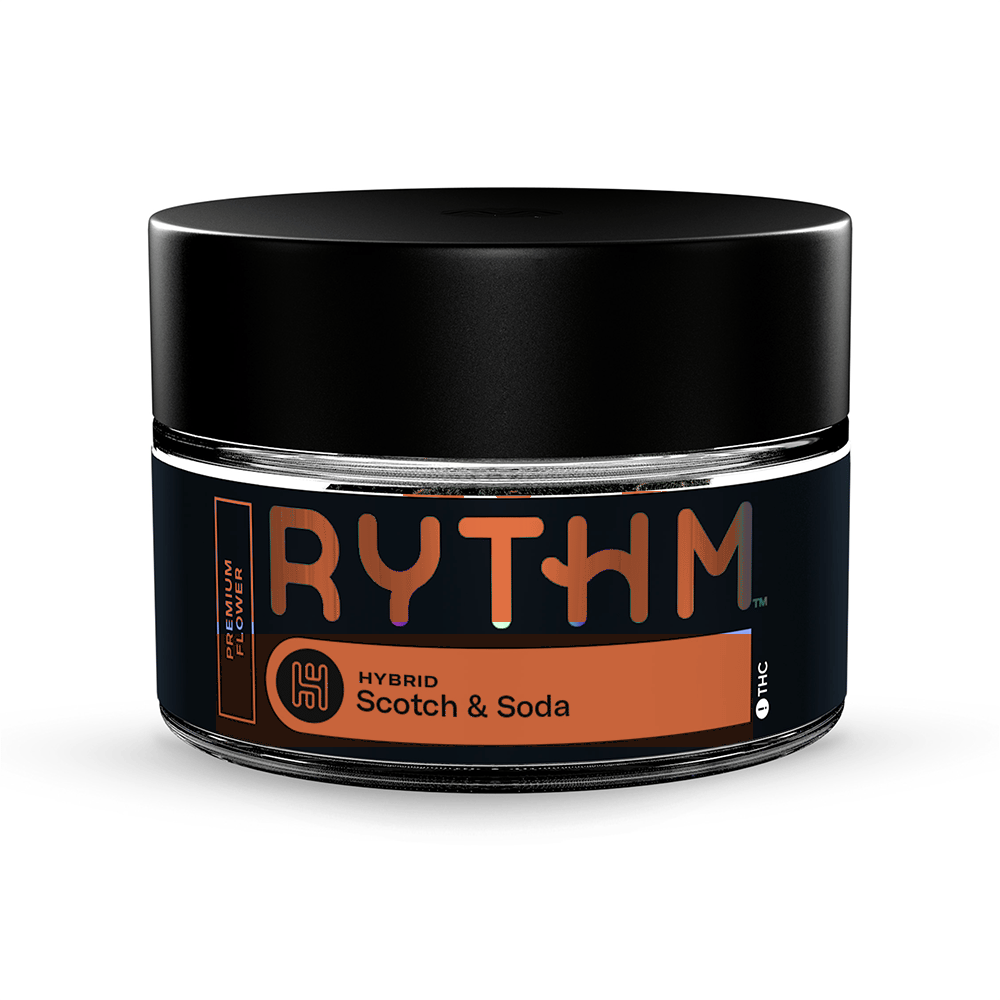
RYTHM Hybrids
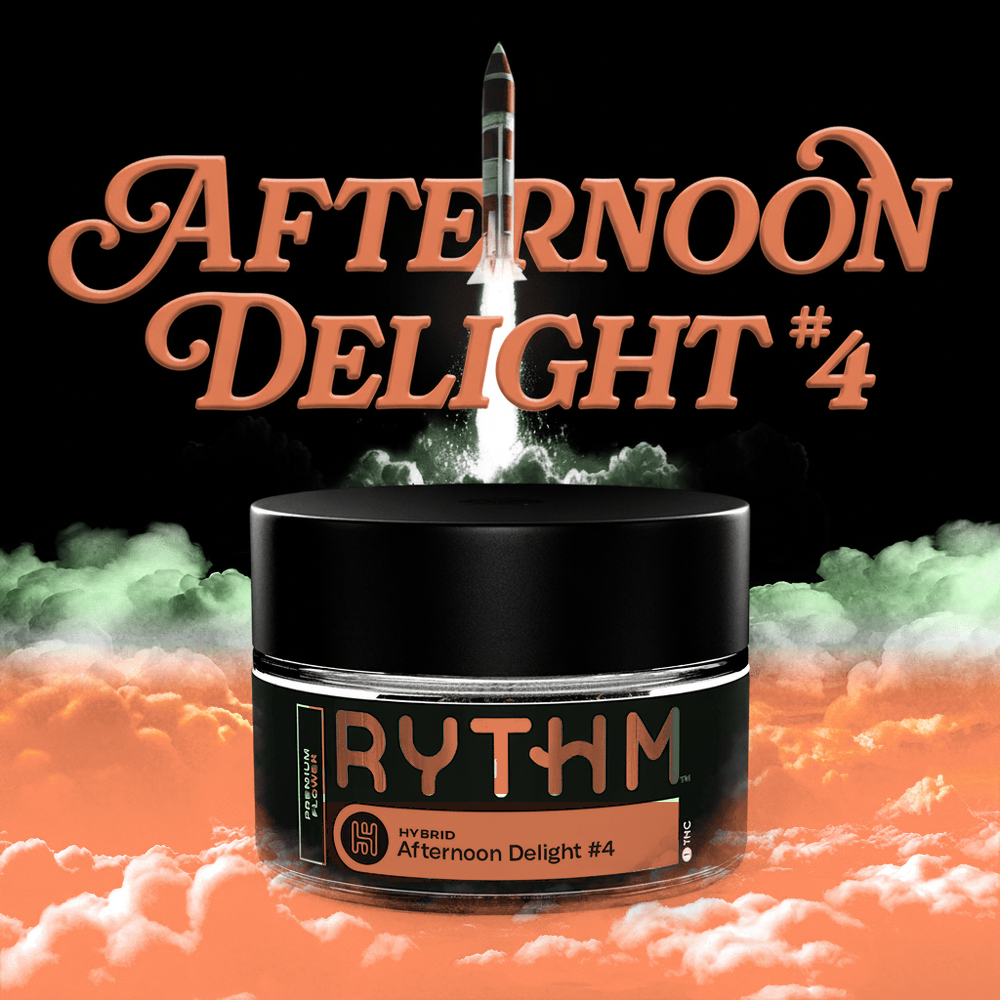
Afternoon Delight #4
Strain Description: Afternoon Delight #4 is a balanced and blissful hybrid that enchants the senses with its pungent diesel aroma, beautifully complemented by earthy undertones. This strain is perfect for those seeking a harmonious blend of relaxation and euphoria.
Top Terpenes: Limonene, Beta Caryophyllene, and Linalool contribute to its bright citrus notes and calming effects.
Cannabinoids: With a THC content of 84.24%, Afternoon Delight #4 delivers a potent and invigorating experience.
Taste + Aroma: Enjoy a robust flavor profile with dominant diesel notes balanced by earthy and citrus undertones.
OMG
Strain Description: OMG is a potent and euphoric indica-leaning hybrid known for its astringently sweet and kushy flavors. It offers a delightful experience that balances potency with a relaxing, blissful vibe.
Top Terpenes: Beta Myrcene, Limonene, and Beta Caryophyllene enhance its sweet, herbal aroma and soothing effects.
Cannabinoids: Featuring a high THCa content of 26.86%, OMG provides a powerful and euphoric high.
Taste + Aroma: A distinctive mix of sweet and kushy flavors is complemented by hints of herbal and citrus notes.
Other Hybrids that you might want to check out are:
Known for its sharp diesel and earthy aroma, Chemdog offers a potent blend of cerebral invigoration and deep body relaxation. This well-balanced hybrid is perfect for those seeking a versatile experience that stimulates both mind and body.
Combining the best of both worlds, OG Kush delivers its signature earthy pine and lemon flavors alongside a powerful and long-lasting euphoric high. This legendary hybrid is a staple for those looking for a classic, uplifting experience.
With its sweet and spicy flavors and hints of berry, Purple Haze brings a vibrant and dreamy high that inspires creativity and social engagement. This iconic hybrid is perfect for sparking conversation and artistic expression.
GMO is a potent hybrid with a unique garlic and diesel aroma, known for its relaxing effects that soothe the body while maintaining mental clarity.

Sativa vs. Indica vs. Hybrid Edibles
When it comes to cannabis edibles, the distinctions between sativa, indica, and hybrid strains are important, but it's crucial to understand that the traditional labels of "energizing sativa" and "relaxing indica" are overly simplistic. Sativa edibles are often associated with uplifting and energizing effects, which can be great for daytime activities or sparking creativity, but the real impact depends on the specific terpene and cannabinoid profiles. Similarly, indica edibles are typically linked to calming and relaxing effects, making them a popular choice for unwinding or aiding sleep, yet this is not a hard and fast rule. Hybrid edibles offer a balanced mix of both sativa and indica traits, providing a versatile option that can cater to a variety of experiences.
The effects of edibles are typically more potent and longer-lasting compared to other forms of cannabis consumption because they are metabolized by the liver, converting THC into 11-hydroxy-THC, which can result in a more intense high. Not only this, it also takes longer to kick in, due to the process of digesting edibles. This is why we recommend waiting at least 2-4 hours to feel if the edible has onset. It underscores the importance of considering the entire chemical makeup of the strain, not just the sativa or indica label. [Source]
Edibles come in a variety of forms, each offering a unique experience. Gummies, chocolates, and cookies are favored for their taste and precise dosing. Beverages can offer a quicker onset of effects, while capsules provide a discreet and consistent option. Each type of edible can be infused with sativa, indica, or hybrid strains, allowing you to select the product that best matches your desired effects.
Remember, start with a low dose and gradually increase to find what works best for you, as the effects can vary widely from person to person.
Whether you’re aiming to enhance your focus, relax your mind, or find a balanced experience, understanding the complexity behind each strain can help you make an informed choice.
Beyond Indica and Sativa: Exploring Edibles with Additives
In the world of cannabis edibles, some brands are pushing the boundaries by infusing their products with more than just THC and CBD. Say hello to Incredibles and 1906, the masterminds behind edibles that deliver more than Indica or Sativa experience.
Incredibles is all about using science to bring you exactly what you need. They’ve got this down to an art with their Snoozzzeberry product. This tasty treat is packed with CBN, the cannabinoid hailed for its potential to help you drift into dreamland. It’s like a lullaby in edible form, perfect for when counting sheep just won’t cut it. On the flip side, their Strahhhberry Gummies are loaded with CBD, setting the stage for a blissfully chill afternoon that pairs perfectly with a hammock and a good book.
Then there's 1906, who mixes cannabis with natural supplements to amplify effects in a way that feels almost like magic. Imagine popping an edible that combines cannabis with thiamine, a B-vitamin known for keeping your energy levels and focus in check. This isn't just any buzz—it's the kind of clear-headed energy boost that gets you through an afternoon slump or a creative block.
Solventless and RSO Edibles: Capturing the Full Spectrum
For those who prefer their cannabis au naturel, solventless and Rick Simpson Oil (RSO) edibles are the way to go. These options preserve the plant’s full range of cannabinoids and terpenes, offering effects that are as close to the plant's true nature as you can get.
Solventless edibles are all about keeping it real. They’re made using processes like ice water extraction or dry sifting, which means no chemical solvents messing with your cannabis. What you get is an edible that captures the plant’s natural profiles—think rich flavors and balanced effects. It’s like enjoying the plant in its purest form, with all the subtle complexities intact.
On the other hand, RSO edibles are the heavy hitters of the cannabis world. Made from Rick Simpson Oil, they pack a punch with a full-spectrum profile. This means you’re getting the complete lineup of cannabinoids and terpenes, offering a depth of experience that’s hard to match. It's like the difference between listening to a song on a tinny speaker versus a top-of-the-line sound system.

Terpenes and Cannabinoids: Understanding Strain Effects
While there's no shortage of stereotypes distinguishing Indica from Sativa effects, relying solely on these classifications can be an oversimplification. The effects of a particular strain on an individual depend on a myriad of factors, from its specific chemical composition to the person's unique body chemistry. While there's no shortage of stereotypes distinguishing Indica from Sativa effects, relying solely on these classifications can be an oversimplification. The effects of a particular strain on an individual depend on a myriad of factors, from its specific chemical composition to the person's unique body chemistry. Thus, while Indica and Sativa labels offer a starting point, they don't paint the full picture.
To truly anticipate how a strain might influence you, it's beneficial to dive deeper into its unique profile and perhaps even your own personal experiences with similar strains. Remember, cannabis interacts with everyone differently, and its impact is as individual as a fingerprint.
There are a variety of factors that can influence the effect of a specific strain of cannabis on your body, including (but not limited to) cannabis dosage and concentration of the cannabis, its cannabinoid and terpene profile, their ratio and interaction with each other, your tolerance to cannabis, metabolism, body fat, and even the food and drinks you had that day. (Phew.)
According to PHYTECS’s MD Ethan Russo, a board-certified neurologist and psychopharmacology researcher, a better understanding of cannabis strain effects comes from understanding each strain’s cannabinoid and terpene profile.

Terpenes
Cannabis plants owe their potent aroma to terpenes, the aromatic oils responsible for the smell and flavor of plants. Originally developed to fend off predators, the strong smell of cannabis hints at the importance of terpenes in its biology.
Terpenes are secreted in the same glands as THC and CBD. Research suggests that some terpenes may have a relaxing effect, while others improve focus and concentration.
In 2011, a study found that terpenes offered “complementary pharmacological activities.” In other words, though the main function of terpenes relates to flavor and fragrance, they also play an important role in determining the effects of cannabis.
Scientists have discovered more than 100 different terpenes in cannabis. Myrcene, the most common one, is found in the Granddaddy Purple strain. Other common terpenes are limonene, linalool, caryophyllene, alpha- and beta-pinene, alpha-bisabolol, and eucalyptol.
Terpineol, which produces a flowery, citrusy scent, may be partially responsible for the “couch-lock” effect, when relaxing into your seat feels just right.
Interestingly, the effects of terpenes vary depending on what other terpenes are present around them. That’s one reason why it takes experimentation to find what particular strains tend to work best for you.

Cannabinoids
Cannabinoids play a key role in a strain’s effect on the human body because our endocannabinoid system (ECS) has special receptors for them. Our ECS is involved in regulating sleep, memory, mood and appetite. The most widely known cannabinoids in marijuana are CBD (Cannabidiol) and THC (Tetrahydrocannabinol). Nevertheless, there are over 100 cannabinoids identified by now with a different set of effects and benefits.
There are two types of natural cannabinoids: phytocannabinoids and endocannabinoids. CBD and THC are phytocannabinoids that become activated after cannabis plants are dried. THC may help with pain and insomnia, and it is associated with the “cannabis high.” Meanwhile, CBD can help address anxiety.
Some lesser-known cannabinoids are:
CBG (cannabigerol)– This is a non-stimulating cannabinoid that is thought to have potential medical uses.
THCV (Δ9-tetrahydrocannabivarin)– This compound is becoming the object of more and more research. Some hope that THCv will be able to aid efforts to aid diabetes and obesity
Δ8-THC– Potentially attractive for medical use, as it is reported to have the same health benefits of cannabis and induce much less of a high than THC.

How to tell the difference between indica and sativa plants
In the never-ending game of sativa vs. indica, appearances vary as much as effects. Different strains of cannabis can produce plants that behave and look very different.
The tallest sativa plants, for example, can reach 20 feet, while indicas tend to be short and stocky. They also mature at different rates and prefer different climates.

Sativa Plant Characteristics
Originally from warm climates, sativas thrive in regions where the summer is long and the winter is mild. They have thin, finger-like, light green leaves. They thrive in the outdoors, where there is sufficient humidity and room to grow. They can typically reach 10 feet. Their height increases by 200-300% during the flowering period.
Indica Plant Characteristics
Indica plants are shorter (2-4 feet) with dense clusters of dark leaves and heavy buds. They mature faster and offer higher yields than sativas. They are suitable for indoor cultivation. Because indica plants are denser than sativas, they weigh more after drying.

How to choose the right strain for you
When you visit your local cannabis dispensary, it’s normal to have questions about the wide variety strains you’ll find. The good news is your patient care specialist can advise you about what different strains can do and the right amount of cannabis to begin experimenting with.
Don’t hesitate to chat with your budtender or patient care specialist. These folks are the ultimate cannabis connoisseurs and are there to help you make sense of it all. Tell them what you’re looking for – whether you want something to mellow you out after a hectic day, spark creativity for your next project, or simply make you giggle at those silly cat videos on YouTube. They can recommend strains based on flavors you like (earthy, citrusy, sweet?), how much THC or CBD you’re comfortable with, and past experiences you’ve enjoyed. Try starting with popular strains that are known for specific effects. For example:
Feeling stressed? You might enjoy Black Afgan for its relaxing vibes.
Need a creative boost? Check out Jack Herer for its energizing and inspiring properties.
Just want to chill? Afternoon Delight #4 is a fan favorite for a reason—it’s smooth, balanced, and perfect for relaxation.
Don’t be shy to ask questions. Here are some questions you might consider asking your budtender:
"I'm new to cannabis; where should I start?" This lets your budtender know they should recommend something beginner-friendly.
"What’s a good strain for relaxing?" or "What’s a good strain for focus?" Ask about specific effects you’re interested in.
"How should I approach dosing and microdosing?" Get tips on starting with small amounts, especially if you're new to cannabis or trying a new strain.
"What’s your personal favorite strain and why?" Budtenders often have great insights from their own experiences.
"Are there any strains with flavors similar to [your favorite strain]?" If you have specific tastes, let them know!
On your next visit to Smoking Suppliers, go ahead and talk to a Patient Care Specialist or a Budtender!
Remember, cannabis is a journey, not a destination. The beauty of cannabis is in its diversity, so mix and match until you find what clicks with your vibe. The fun is in discovering what suits you best.