Key Takeaways
Percentages only compare one jar to another. Milligrams per serving are the one number that means the same thing on every shelf in the store.
Edibles and drinks need lead time. Something starts happening around the half-hour mark, the strongest part falls between hours one and three, and it carries on well after that.
"Infused" is the word that changes what you're buying. It turns up on pre-rolls, gummies, and seltzers, and it always means extra THC went in.
Stronger on paper isn't stronger in the moment. How you take something shifts the experience as much as how much of it you take.
Once two products are close on potency, terpenes, brand, and price per gram are what actually separate them.
Intro
The first time you look at a dispensary menu, it comes at you all at once. Flower sold by the eighth, pre-rolls by the gram, vapes by the cartridge, gummies by the milligram, and a strain name on most of it that tells you less than it appears to.
Those numbers don't share a scale. A jar testing at 24% and a gummy holding 10 mg are measured on entirely different terms, so setting the two side by side tells you nothing about which one suits the evening you have in mind.
This guide works through the menu one format at a time: what each product is, what its label is actually saying, and what to settle before you buy. And if one of them ends up being your thing, we've got a whole guide on that too.
Start With What You Want to Understand
Seven things decide most cannabis purchases, and you can answer them all in a minute in the parking lot.
Product type. Smoked, vaporized, eaten, or sipped. Answer this one first, because everything below it means something different depending on which way you go.
Potency. Flower and carts get labeled as a percentage, edibles and drinks in milligrams per serving. Check which unit you're reading before you call anything strong or weak.
Serving size. Read the serving before the package total. A 100 mg chocolate bar is ten servings, and the score lines across it are a portion guide, not decoration.
Timing. Two questions: how long until you want to feel something, and how much of the day is yours afterward. A Wednesday and a Saturday give different answers.
Format. This is the prep question. A grinder and papers, a charged battery, a rig, or nothing at all, and plenty of nights the honest answer is nothing at all.
Experience level. Tolerance is the first thing a budtender asks about, so be straight about it. There's no prize for overstating it.
Brand or strain preference. Once a brand has treated you right, stick with it. Producers who test accurately and cure properly tend to keep doing it, and that consistency beats chasing whatever's new.
When you answer these, you’ve already filtered out your best picks.

What Are the Main Types of Cannabis Products?
There are six major formats of cannabis to pick in almost any dispensary menu, including RISE. They differ in how fast they land, how much prep they take, and how precisely you can dose.
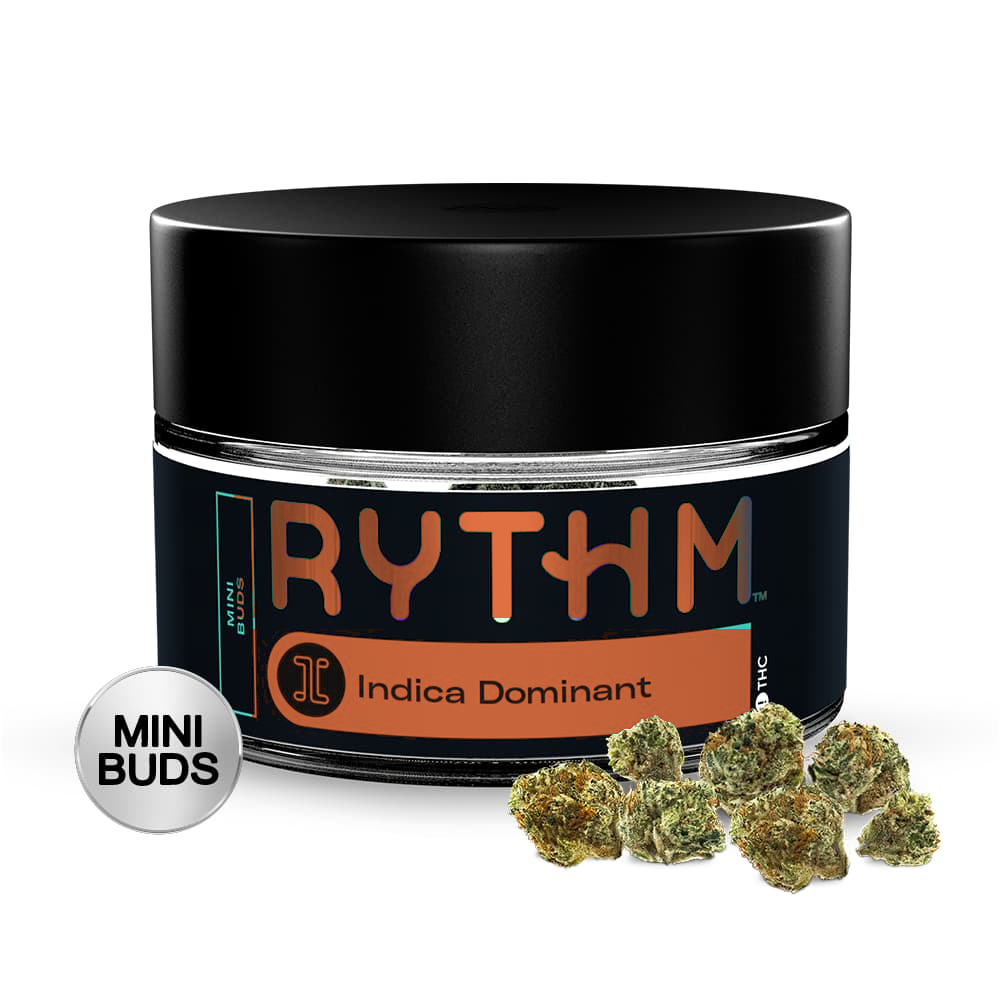
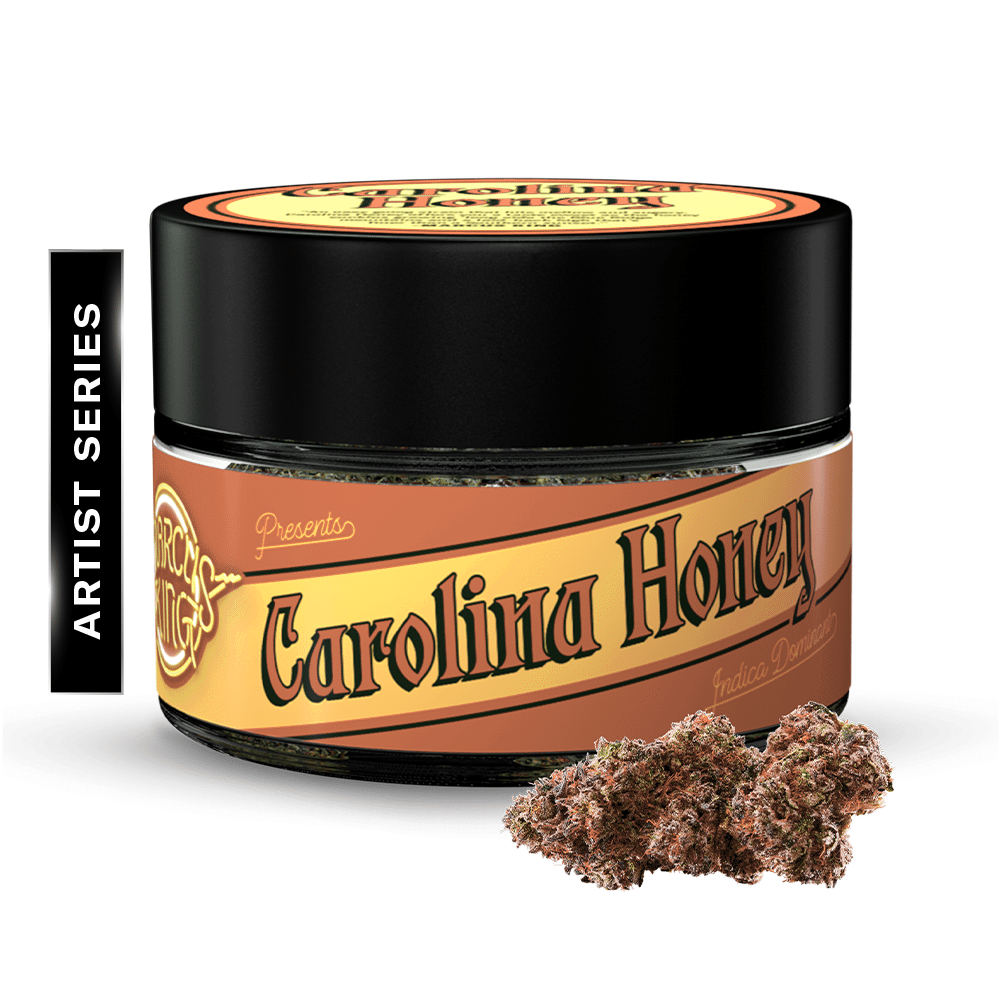
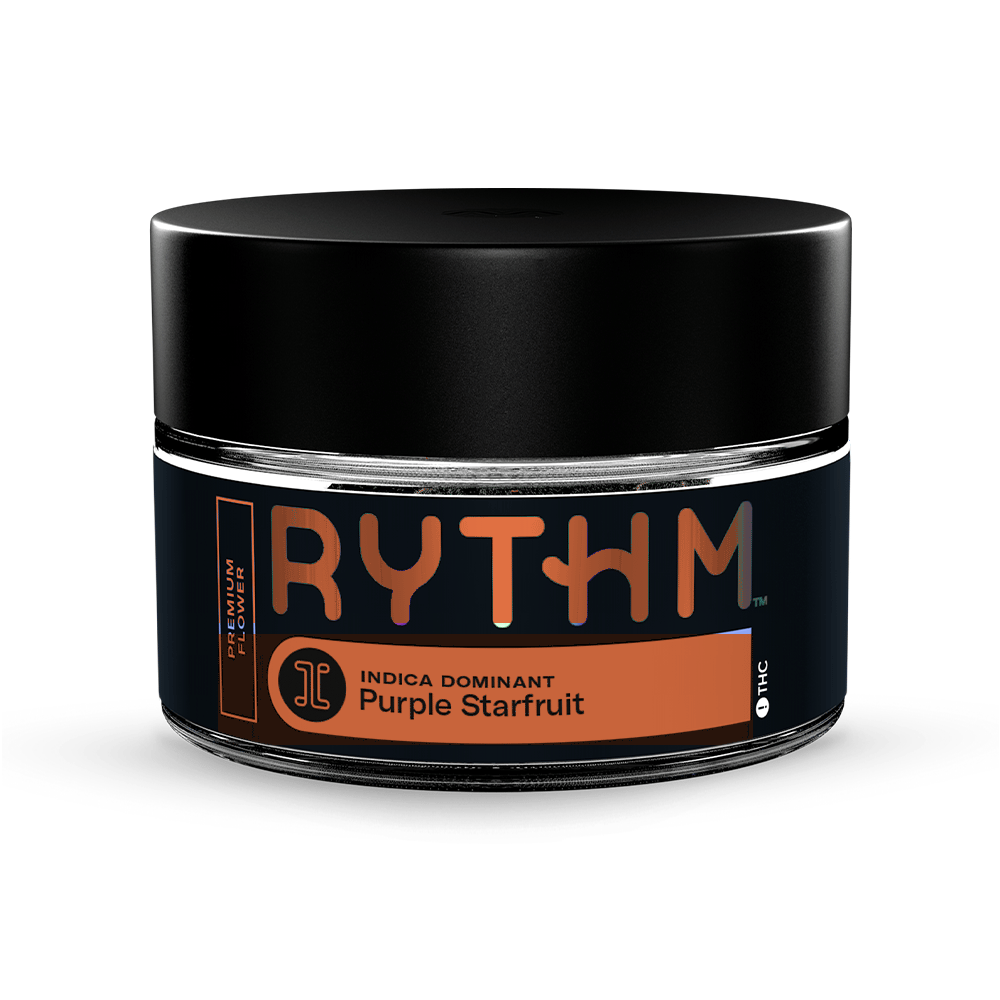
Flower
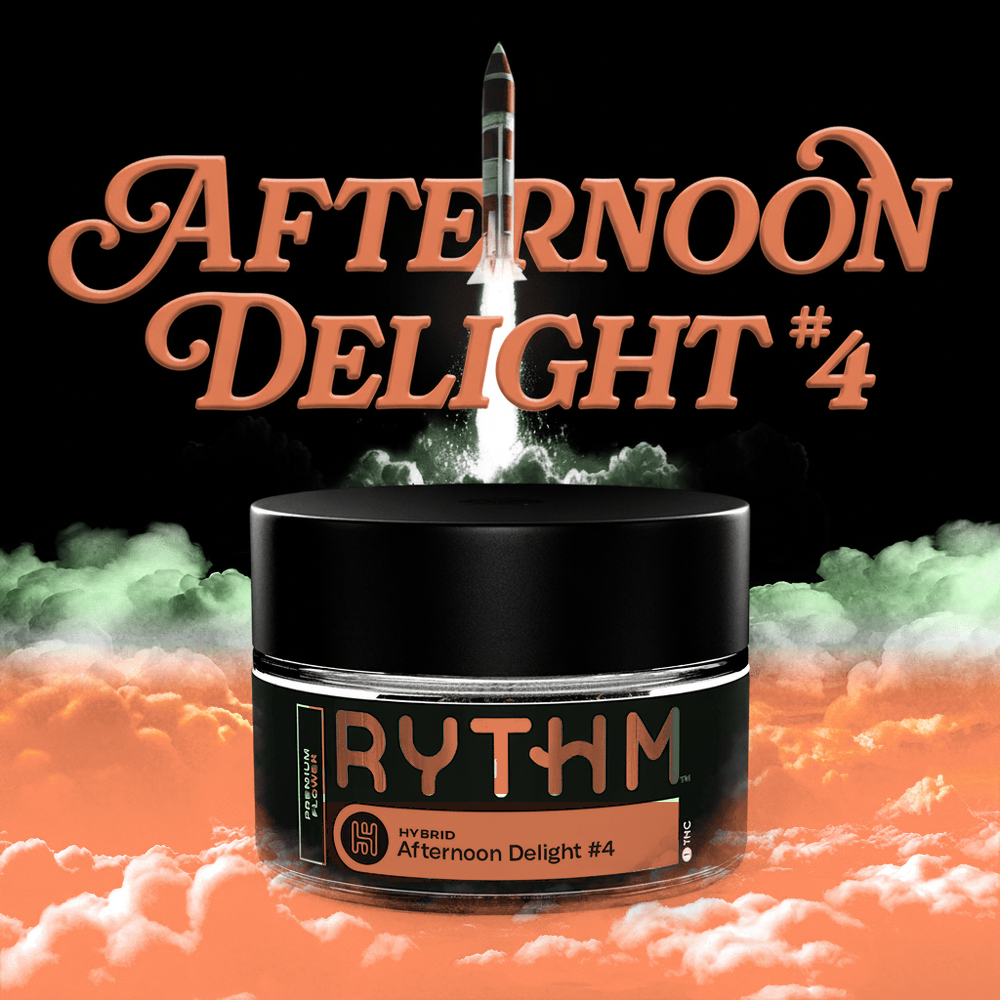
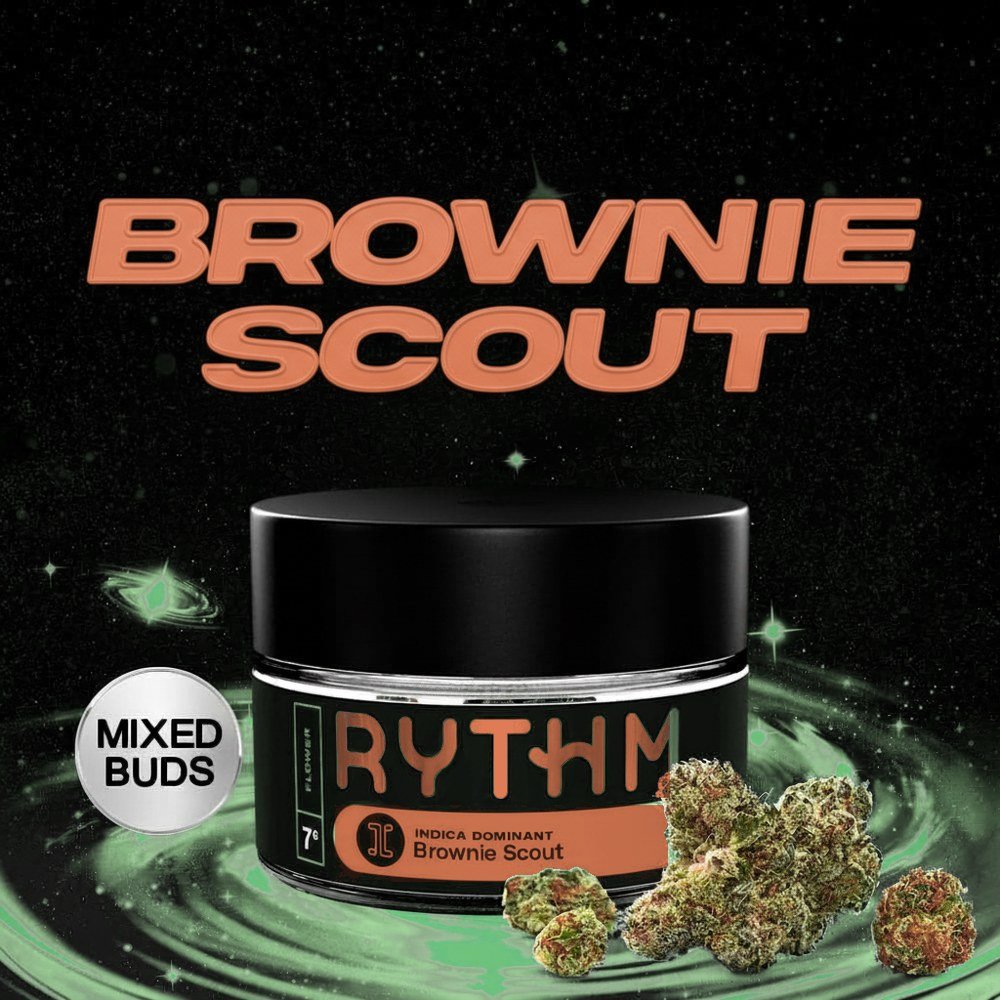
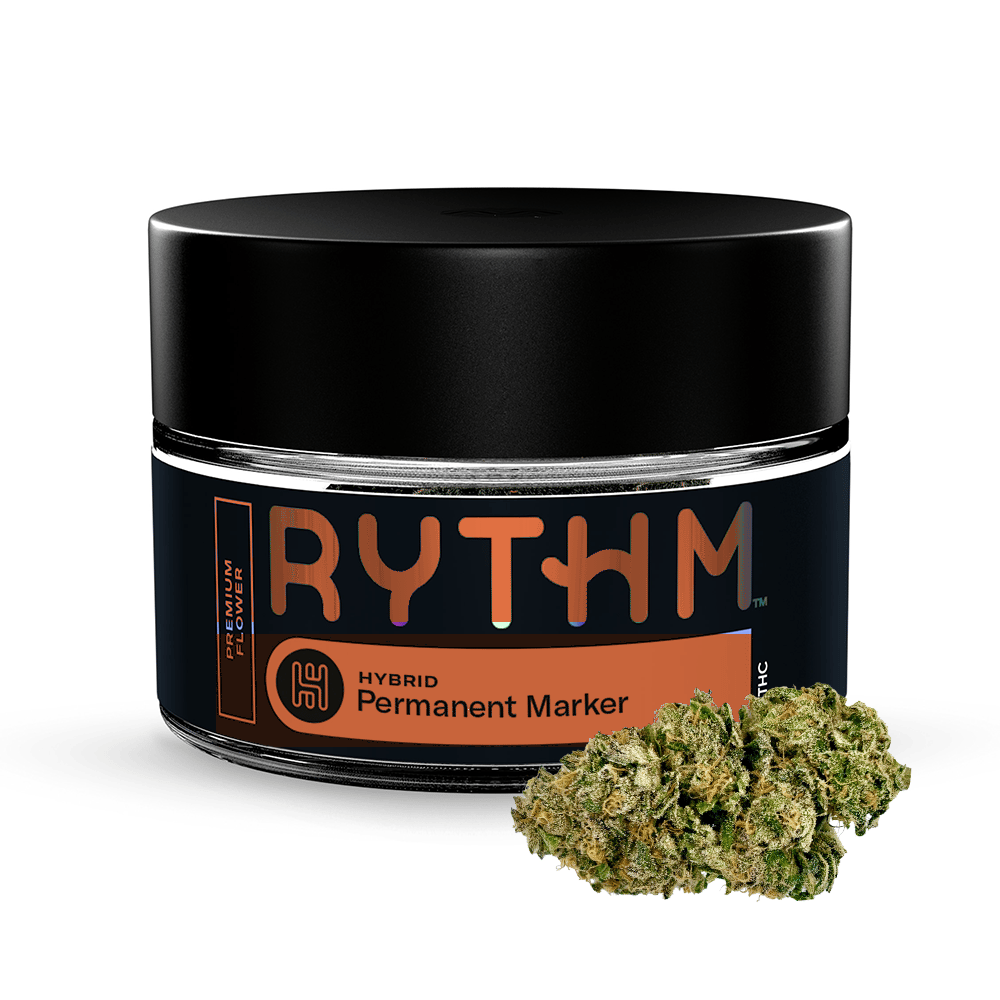
The jars behind the counter hold cannabis in its recognizable form: dried, cured buds sold by strain and by weight, usually by the eighth or the ounce. You grind it, you smoke it, you decide how much goes in the bowl.
This is the section where browsing pays off. Strain name, THC percentage, and terpene breakdown all appear on the label, and the terpenes tell you more about what you're holding than the name does.
Pre-Rolls
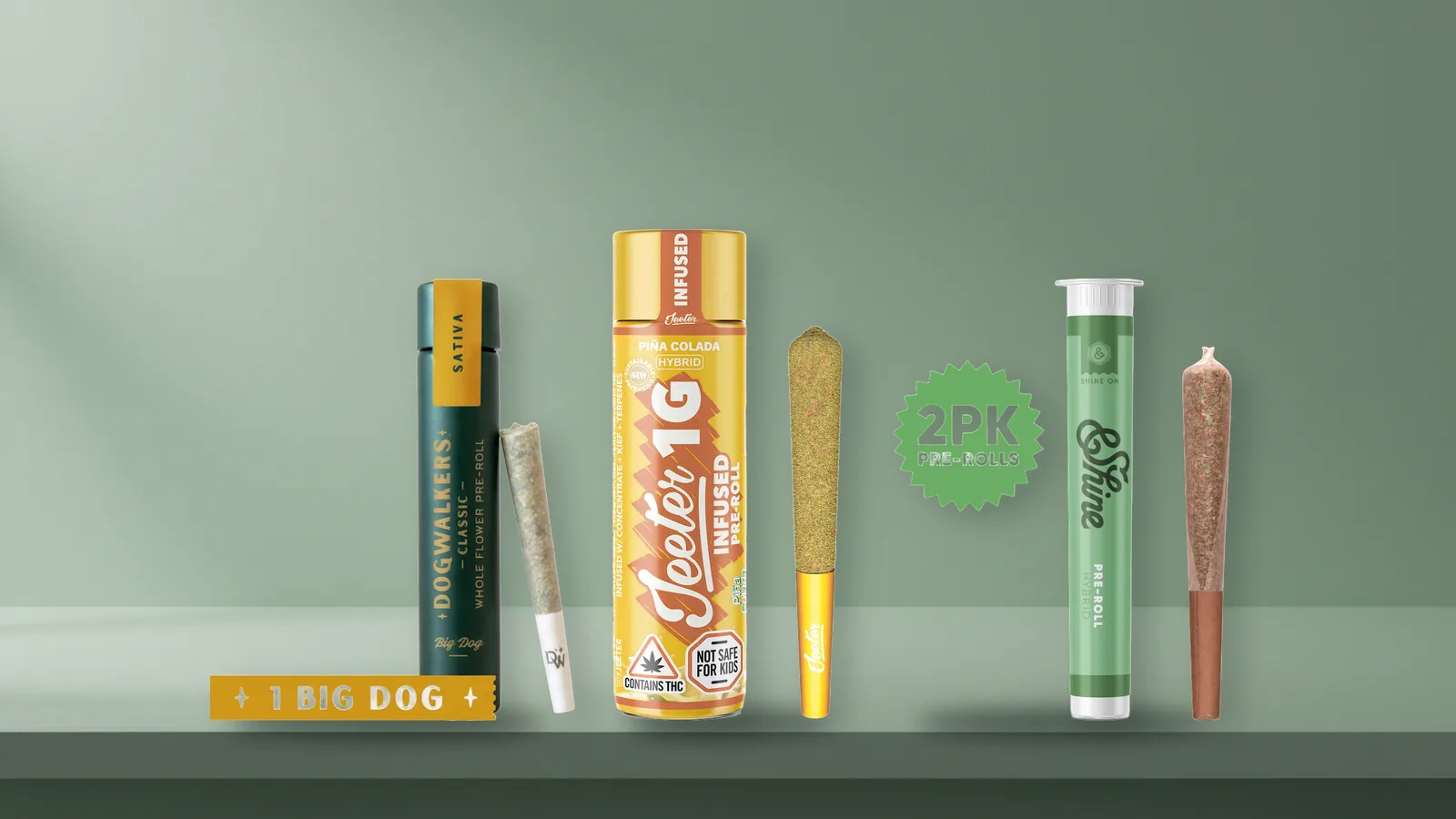
Someone else has already done the grinding and rolling. No grinder, no papers, no learning curve, which is why pre-rolls are the most common first purchase we see.
One label check matters more than the rest: infused or not. Infused pre-rolls carry concentrate on top of the flower and hit considerably harder than the plain version beside them.
Vapes
A cart screws onto a 510 battery and a disposable arrives charged out of the box. Either way you're inhaling vapor instead of smoke.
Vapes give you the finest control of anything inhaled, since one small pull can be the whole session. The same THC still lands harder through a vaporizer than through a joint: in a Johns Hopkins crossover trial, infrequent consumers given 10 mg rated the vaporized version roughly 50% stronger than the smoked one.
Edibles
Anything you chew and swallow lives here: gummies, chocolates, mints, baked goods. Every serving states its THC in milligrams, making the math simple and the patience mandatory.
Onset is the trade-off. Nothing happens for a while, then it does, and the gap between those two states is where most bad edible stories start.
Drinks
Seltzers, tonics, and shots make up the beverage side of the menu, with the milligram count printed on the can. Where they're available, they slot into moments that already involve a drink.
Low-dose cans in the 2 to 5 mg range are the popular end of this category, since you can stop halfway.
Concentrates
Dabs, wax, shatter, rosin, and live resin sit at the potency-forward end of the menu, often testing north of 70% THC against flower's 15 to 30%. Dabbing takes gear and some technique as well as a higher tolerance. This is the format for an experienced cannabis user.
Talking about cannabis experience, let’s see which format will work for you based on yours.
How Do You Choose Based on Experience Level?
Experience level is the fastest filter on the menu. It’s important to pick something that suits you.
New or Returning Shopper
Stick to formats that explain themselves. Pre-rolls, low-dose gummies, mints, and drinks come in a fixed serving with nothing to assemble and nothing to measure.
Coming back after years away counts as starting over. Today's flower is a different plant from the flower of 2005, and tolerance fades faster than people expect.
Curious Explorer
A couple of formats under your belt and you want to widen out. Brand descriptions, terpene profiles, ratings, and strain lineage all start meaning something here.
Change one variable at a time. A new brand in a format you know teaches you something; two unknowns at once teach you nothing.
Experienced Shopper
Tolerance is built, the gear is on the shelf, and the top of the menu is open. Premium flower, infused pre-rolls, live resin and rosin carts, and the concentrate case are all fair game.
The interesting shopping at this level is expression rather than strength. Terpene profiles, single-source flower, and solventless extracts give you more to notice than another five percentage points.
How Do You Compare Cannabis Products?
There are several parameters you need to keep in mind when comparing cannabis products.
THC %. The share of the product's weight that's THC. Flower runs roughly 15 to 30%, carts 70 to 90%, and a gram of 20% flower holds about 200 mg. Useful jar to jar and cart to cart but don’t try comparing this to edibles.
CBD %, where available. Balanced products get labeled as a ratio (1:1, 2:1) rather than a single percentage, and that ratio is your signal you're looking at a different category rather than a milder version of the jar beside it.
THC per serving. Ingestibles are measured in milligrams, and this is the one figure that means the same thing on a gummy, a can, and a chocolate. Ten milligrams is the common serving size, and most menus also carry 2.5 and 5 mg options.
Total servings. Divide the package total by the serving size, and you'll know how many goes you're buying rather than just how much THC is in the bag.
Product weight or size. Flower comes in grams and eighths, carts in half grams or full grams, drinks in milliliters. Work out the price per gram when you're choosing between two jars, since that varies more than the potency does.
Infused or not. This means concentrate was added on top of the base product. It usually appears in the product name rather than the description, make sure to pay attention.
Strain name. Treat it as a family resemblance rather than a promise. The same name from two growers can test several points apart and smell nothing alike.
Brand. Once a few brands have earned your trust, filtering by them saves real time.
Reviews or ratings, where available. These are reliable on flavor, freshness, and whether a cart clogged. They're much weaker on effects, since you're reading someone else's tolerance.
Terpenes, where available. Limonene smells bright and citrusy, myrcene is earthy and a little sweet, and pinene smells like pine. Look for the total terpene percentage as well: around 1% is unremarkable, and 3% or higher is a jar you can smell before you open it.
Between them, those ten answer three questions: what's in it, how much you're getting, and who stands behind it. Two jars can carry the same percentage and still be different products once the terpenes differ, which is worth a second look before you decide.
Product Paths by Preference: Which Cannabis Products Match What You're After?
Preferences cluster into a few lanes. Find yours and the list gets short.
Easy to Understand
Pre-rolls, gummies, mints, and drinks arrive in a fixed serving with instructions that amount to "have one." Nothing in this lane asks you to measure, grind, or charge anything.
For the simplest version of it, look for pre-rolls sold as singles rather than multi-packs, and gummies in small counts. You get to try one thing and decide, instead of committing to a ten-pack of something you've never had.
No Extra Setup
Skipping the gear entirely points you toward pre-rolls, edibles, drinks, and disposable vapes. A disposable arrives charged, gets tossed when it's empty, and never needs a battery hunted down or a thread cleaned.
The trade-off is cost over time. Disposables run higher per gram than a cart on a battery you already own, so if you're buying one most weeks, that's the point to pick up a 510 battery and switch.
Flavor-Forward
Taste-driven shopping lands on gummies, chocolates, drinks, mints, and terpene-forward carts. Live and cured resin hold more of the plant's aroma compounds than distillate, and the difference is obvious on the first pull.
On the flower side, ask for jars with the terpene panel printed and track which dominant terpene keeps turning up in the ones you liked. On the edible side, gummies built on fruit purée tend to taste less like sugar than the ones coated in it.
Flower Curious
Getting into flower without committing to an eighth is straightforward. Buy two single pre-rolls in different strains, notice which one you liked, then buy that jar.
When you do move to jars, a gram or two is enough to learn a strain without the rest of it drying out on a shelf. Strain-specific and top-rated listings are the natural next step, and a cheap grinder is the only equipment this category asks for.
More Elevated
The upper end of the menu runs to infused pre-rolls, concentrates, premium flower, and live resin vapes. All of it assumes established tolerance, and none of it is where you start.
Moving up from carts, live resin or rosin carts are the gentler step, since they run on the battery you already have. Going from there to a rig means new equipment and a much smaller starting amount, so treat the first session as a test rather than a night.

Timing and Serving Size Basics
Inhaled products land in minutes, and anything you swallow takes considerably longer. That gap causes more trouble than anything else on the menu, so it's worth taking one piece at a time.
Edibles and Drinks Take the Most Planning
In a controlled study of healthy adults, oral THC produced noticeable effects 30 to 60 minutes after eating, peaked between 1.5 and 3 hours, and researchers tracked participants for a full 8 hours.
Work backwards from those numbers. A gummy at 4 p.m. is still very much present at 9, which lands differently on a Tuesday than a Saturday.
Flower, Pre-Rolls, and Vapes Run on a Different Clock
Inhaled formats show up within a few minutes, so you find out where you are before you've committed to any more. That short feedback loop is what makes them the easier pick for an unplanned afternoon.
Serving Size Matters Most With Edibles and Drinks
In that same study, 10 mg of oral THC produced clear effects on its own, while 25 and 50 mg were markedly stronger. The low end of the menu is a real choice, not a beginner's consolation prize.
Splitting is allowed, by the way. Half a 10 mg gummy is 5 mg, and the score line down a chocolate bar exists for this reason.
More THC Doesn't Automatically Mean a Better Fit
Plenty of experienced consumers work the middle of the menu on purpose, because the goal is a particular kind of afternoon rather than the highest number in the case.
Labels Answer the Timing Question
Milligrams per serving, servings per package, and whether a product is infused are all printed before you reach the register. Thirty seconds with the label prevents most disappointing purchases.
The RISE Buyer's Guide Series
This guide is the front door. Each piece below goes deeper on one format or one part of shopping:
Pick which format you want to know more about and read on.
What Are the Most Common Cannabis Buying Mistakes?
Most regrettable purchases trace back to one of these hiccups:
Shopping by THC % alone. A high percentage tells you a jar is strong, not that it's good, and it says nothing about how the thing will actually sit with you. Narrow to two or three in your range, then choose on terpenes, smell, and grower.
Ignoring serving size. The big number on the front of a package is almost always the whole package rather than one go. Find the milligrams per serving before you eat anything, and count the servings while you're there.
Comparing too many formats at once. A cart, a gummy, and an eighth can't be measured against each other, so deciding between all three at once stalls you out. Settle the format question first, then compare within it.
Missing "infused" on the label. It's small print on pre-rolls, gummies, and seltzers now, and it's the difference between a half-hour and a whole afternoon. Check every time, since the infused version sits on the same shelf at a similar price.
Skipping product descriptions. The description is where a brand says how something was made and what it tastes like, which is as close to a trial run as you get. A minute of reading saves you from a jar you finish out of obligation.
Assuming availability is universal. Menus, potency caps, and purchase limits are set state by state, and two stores in the same chain carry different stock. Check your store's menu the day you shop rather than going off what a friend bought elsewhere.
Not asking questions in the store. Budtenders work the whole menu daily and know which batch came in fresh this week, which no label tells you. Ask what's moving, or what they'd pick standing where you are.
To Sum It Up
Cannabis shopping comes down to knowing what you're looking at. Pick the format that suits your day, check the serving size before the percentage, and give anything new some room the first time out. After that it comes down to what you like, and the only way to find that out is to try a few things. Have a look at the RISE menu to see what your store has in, or stop by and ask someone behind the counter.