Sometimes cannabis hits harder than planned. Even experienced consumers have moments where a familiar product feels more intense than usual.
That doesn’t automatically mean something is wrong with the product. Potency, product format, timing, and your own biology all play a role in how cannabis feels on any given day.
At RISE, the goal is simple: help customers make informed, confident choices. Education matters. Responsible use matters. And state-regulated, lab-tested products matter. When you understand what’s behind the experience, you’re in a much better position to shape it.

What Does Cannabis Potency Actually Mean?

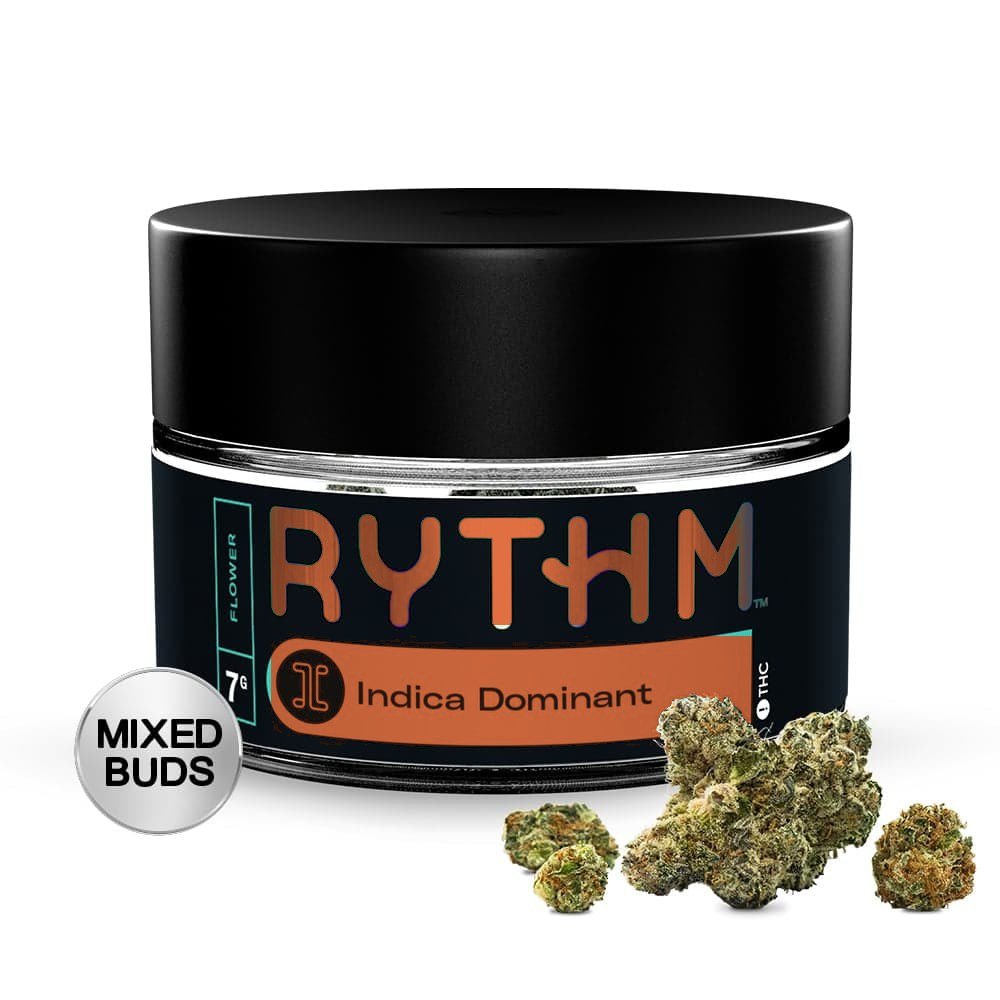
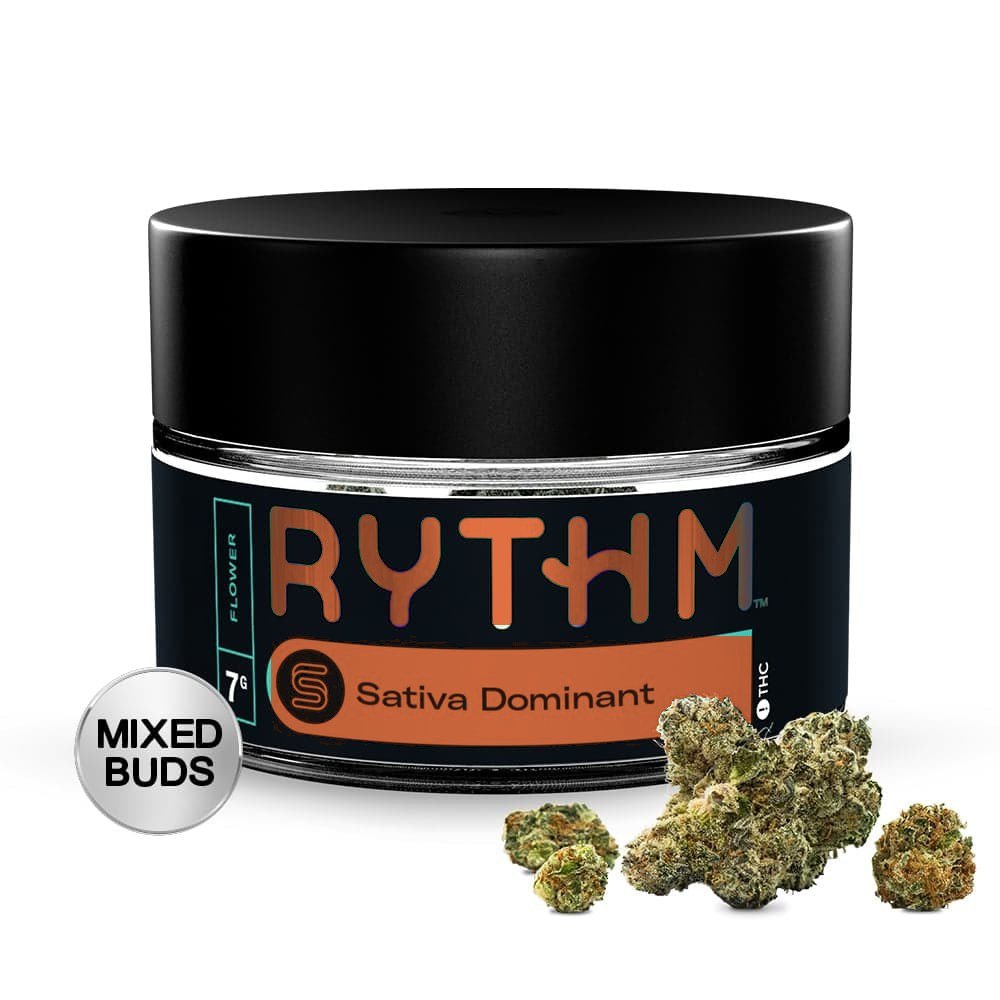
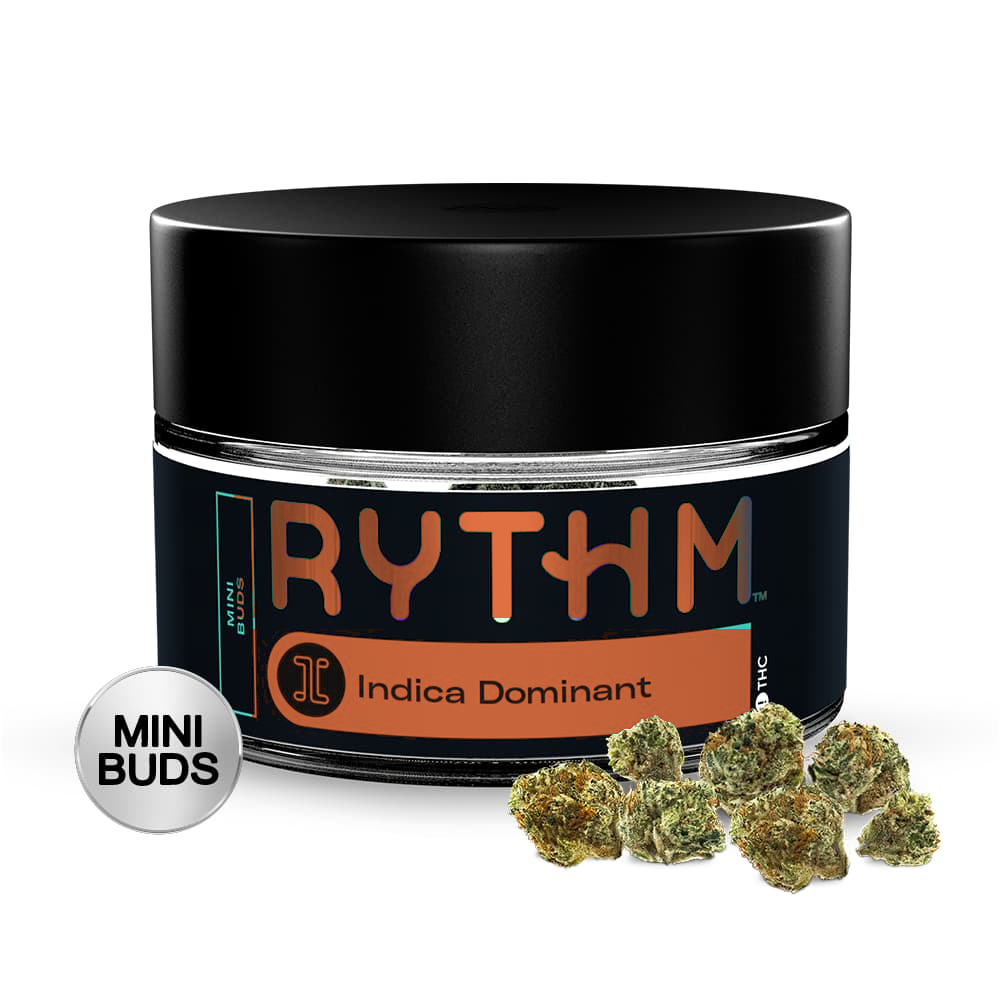
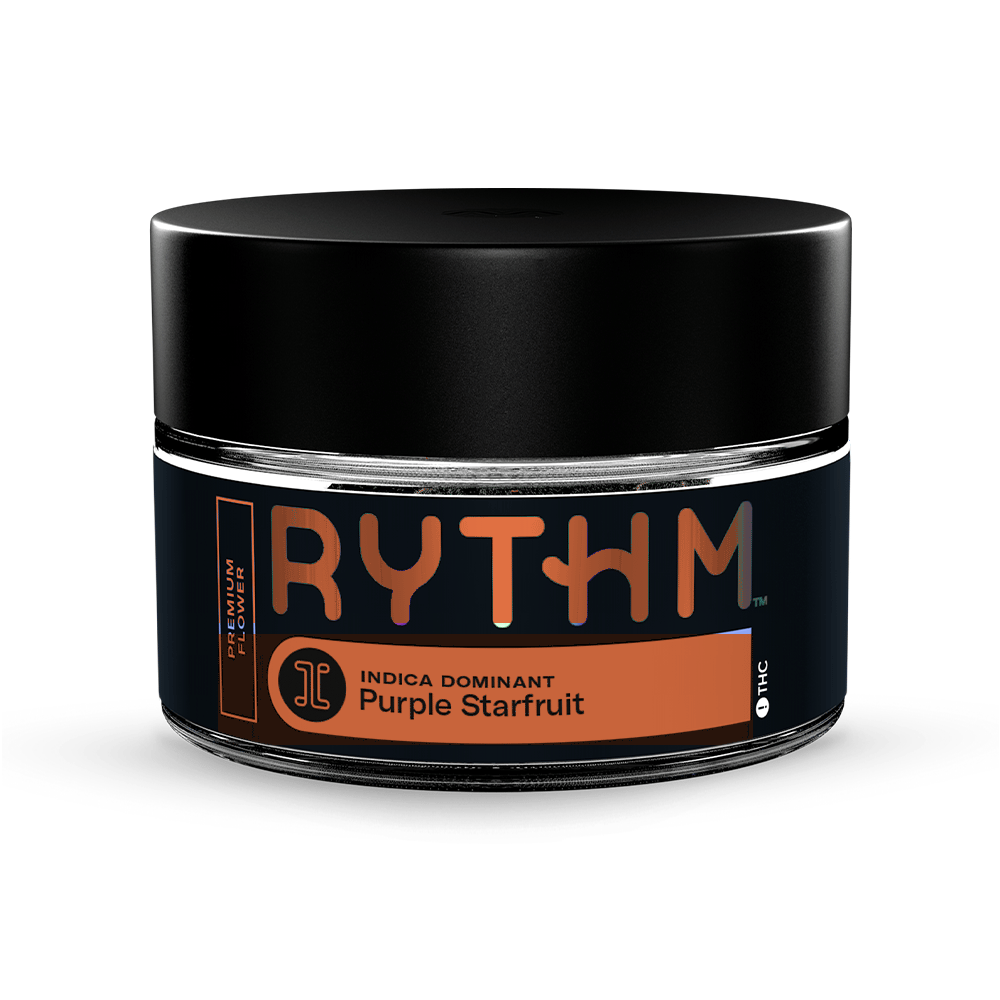
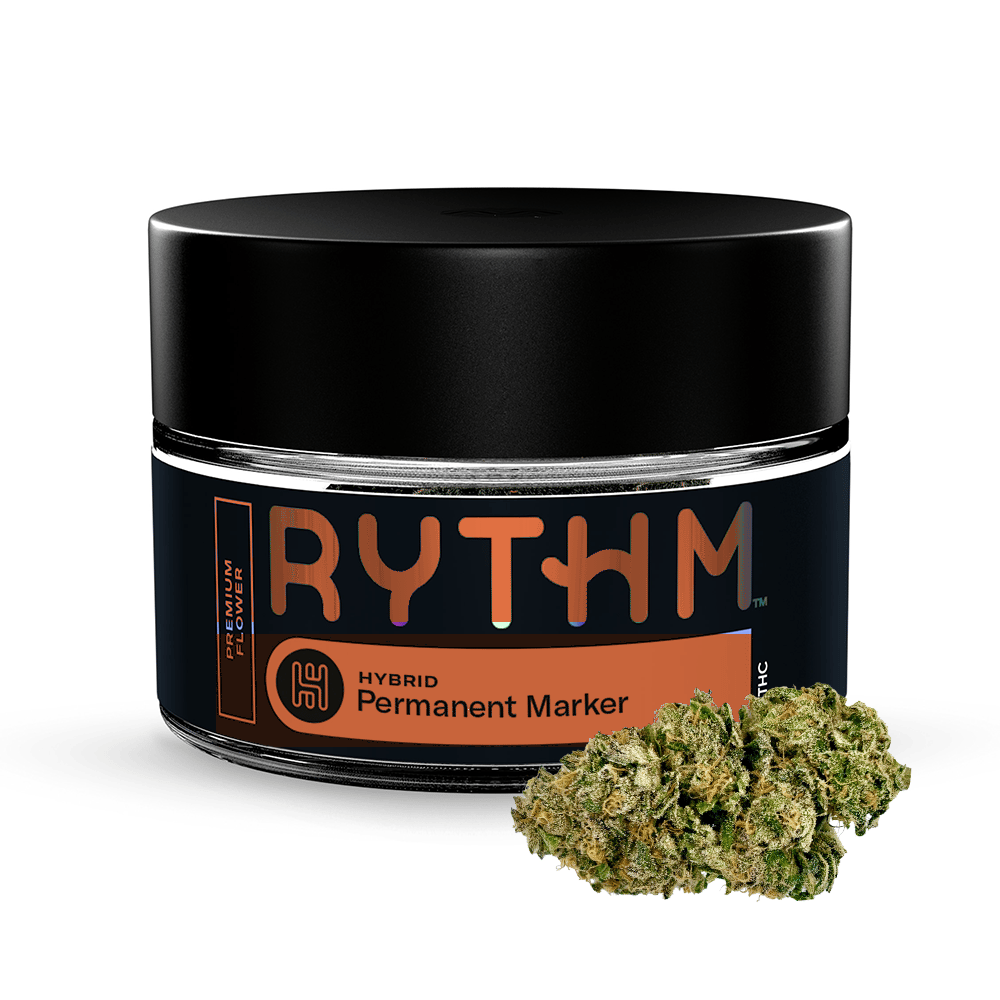
Cannabis potency refers to how concentrated cannabinoids are in a product, usually shown as a THC percentage for cannabis flower or as milligrams for edibles and infused items. When a jar of marijuana buds reads 24% THC, that number represents the proportion of THC by weight in that batch.
That percentage describes concentration, not the exact amount you will feel. If someone uses 0.25–0.3 grams of 24% THC flower, they are consuming a fraction of that total cannabinoid content. Potency is a density measure. It is not a guarantee of intensity.
Many consumers also see “total cannabinoids” on packaging. This figure includes THC plus other cannabinoids that appear in smaller amounts. A lab report might list 23.8% total THC, 0.7% CBG, and 0.3% CBN. These numbers look secondary, yet they contribute to the product’s overall profile.
Understanding what potency measures sets the stage for how those numbers translate into real-world experiences.
How Is THC Percentage Calculated in Cannabis Flower?
THC percentage is calculated by accounting for both THCA and active THC, using a lab formula that reflects how cannabis behaves when heated. Raw cannabis flower contains mostly THCA, which converts to THC during combustion or vaporization.
Lab reports use a conversion factor to estimate “total THC.” That’s why two batches of the same strain name can show slightly different results. A harvest grown in one season might test at 21%, and a later batch at 25%. Cultivation variables and testing tolerances naturally shift those figures.
This also explains why a THC number is not static across time. Cannabis is an agricultural product, not a synthetic formula stamped out identically every run. Small fluctuations are normal.
Does Higher THC Always Mean Stronger Effects?
Higher THC does not automatically mean a stronger or more intense experience. A 28% THC flower may feel assertive to one person and fairly manageable to another. A 19% option with a distinct terpene profile can feel more pronounced for someone else.
Terpenes interact with cannabinoids and influence how a product feels. Two marijuana strains with similar THC percentages can land very differently in practice. Potency numbers alone do not capture that nuance.
This is where many consumers ask, “Why does this strain feel stronger than another with more THC?” The answer often sits beyond the headline percentage. Total composition, tolerance, and context matter.
What Factors Can Make Cannabis Feel Stronger?

Several practical factors can influence why cannabis feels more intense on a given day. These aren’t abstract ideas. They show up in real-life use, even with familiar products. Below is a structured breakdown of the most common contributors.
Product Type
Different product types deliver cannabinoids at different speeds and durations.
Flower (marijuana buds) and vapes are inhaled. Effects typically begin within minutes, allowing you to assess how you feel fairly quickly.
Edibles (also called weed gummies or infused chocolates) take longer to activate. Onset may range from 30 minutes to two hours, depending on the individual.
That delayed onset is where surprises often happen. Someone takes 5 mg, waits 45 minutes, feels very little, and takes another 5 mg. When both servings peak, the experience feels stronger than expected.
Dosage and Serving Size
Small dosage shifts can produce noticeable differences, especially with edibles.
A move from 5 mg to 10 mg THC is only a 5 mg increase on paper. For many people, that doubling feels substantial.
With inhaled cannabis, an extra inhalation or extending a session by a few minutes can change the overall effect.
Labels provide serving information for a reason. Starting with a lower amount and allowing full onset time reduces the chance of unintentionally stacking doses. Even minor adjustments matter more than most people realize.
Consumption Method
How cannabinoids enter the body affects how they are processed.
Inhalation sends THC into the bloodstream through the lungs, creating a faster onset.
Ingestion routes THC through the digestive system and liver before it reaches circulation.
This metabolic pathway can change how long effects last and how deeply they are perceived. Cannabis concentrates (also known as dabs or wax) introduce higher concentrations in smaller quantities, which can feel more immediate.
Tolerance Levels
Tolerance shifts with frequency of use.
New consumers often respond to lower amounts.
Regular consumers may need higher doses to reach a similar level.
Tolerance can also decrease. A short break or reduced frequency may make a previously comfortable amount feel stronger. It’s common for someone to return to a familiar strain and feel a noticeable difference after time away.
Individual Body Chemistry
Metabolism and the endocannabinoid system vary from person to person. Two individuals can consume the same batch, same THC percentage, same setting, and describe completely different intensity levels. Body composition, metabolic rate, and natural sensitivity all influence response. Personal biology adds variability that labeling alone cannot predict.
Timing, Setting, and Expectations
Context influences perception more than many expect.
Consuming cannabis in a calm, familiar environment often feels different than using it in a crowded or unfamiliar setting.
Eating beforehand can moderate edible onset. Hydration and fatigue also play subtle roles.
Time of day matters. A product used late at night may feel stronger than the same product used earlier.
Expectations also shape perception. When someone anticipates strong effects, they may pay closer attention to physical sensations. That heightened focus can amplify intensity.
What Does This Mean for Cannabis Consumers?
It means that a stronger-than-expected experience is usually about changing variables, not about a faulty or unsafe product. Cannabis can feel different from one session to the next, even when the label and the batch remain consistent. The product may remain the same, but the surrounding factors do not. Sleep, stress, recent use patterns, meal timing, and simple day-to-day changes can shift how cannabinoids are perceived.
Feeling “too strong” does not automatically mean a product is unregulated or improperly made. State-licensed dispensaries sell cannabis that has been tested for potency and labeled according to strict requirements. The THC percentage in flower and the milligrams listed on edibles reflect verified lab results.
At the same time, effects can vary even with familiar products. A strain you’ve purchased before or an edible you’ve used many times can land differently under slightly different conditions.

How Does RISE Help Customers Navigate Cannabis Choices?

RISE supports informed decision-making by offering clearly labeled, lab-tested cannabis products and access to knowledgeable staff in-store. The goal is to make the selection feel straightforward, not uncertain.
Every product on the shelf comes with transparent labeling. Cannabis flower lists THC percentage and total cannabinoid content. Edibles display milligrams per serving and per package. That information is visible upfront, so you’re not guessing about strength or composition.
Lab testing is part of the process before products ever reach the dispensary. Those results support consistency and help customers compare options side by side, whether they’re choosing marijuana buds, vape cartridges, or infused gummies.
Beyond the label, guidance is available. RISE team members can walk through product formats, potency ranges, and general differences in consumption styles. Sometimes a short conversation clarifies more than a number on a package ever could.
What Should Consumers Take Away From All of This?
Cannabis does not produce identical results every time. Even when you choose the same product, subtle shifts in dose, timing, or personal rhythm can change how it feels.
At RISE, the focus stays on clear information, consistent sourcing, and legal access within regulated markets. Products are presented with transparency, and questions are part of the process.
If you’d like guidance, visit your nearest RISE dispensary to speak with a budtender or browse products online at smokingsuppliers.com to explore options at your own pace.
Key Takeaways
Cannabis can feel stronger on some days due to small shifts in dose, timing, format, or personal factors—even when using the same product.
THC percentage reflects concentration, not a guaranteed level of intensity. A higher number on the label does not automatically predict how it will feel.
Product format matters. Flower, vapes, edibles, and concentrates activate differently and follow different timelines.
Tolerance and individual biology change over time, which can influence how familiar products land.